

If you're considering moving to Manassas VA, you're looking at one of Northern Virginia's best value plays. Manassas offers everything people love about the region—strong job market access, solid schools, commuter rail into DC, and real appreciation potential—without the sticker shock you'd face in Arlington or Loudoun. I'm Chris Colgan, a Northern Virginia Realtor with over 18 years helping families relocate to this market. I've lived in nearby Gainesville my entire life, and I've watched the Manassas housing market evolve from a sleepy railroad town into one of Prince William County Virginia's most dynamic growth markets.
Living in Manassas VA makes sense for families and professionals who want legitimate Washington DC area access without paying $800,000 for a starter home. But it's not for everyone. If you need a 15-minute Metro commute or demand walkable urban density, you're better off in Arlington or Alexandria. Manassas is for people who value space, affordability, and growth trajectory over immediate proximity to the core.
In this guide, I'm covering everything you need to know: actual costs, neighborhoods broken down by buyer type, schools without the marketing spin, real commute times, and what to expect from the 2026 market. Let's get into it.
Where Is Manassas Located?
Manassas sits about 30 miles west of Washington DC in Prince William County. The city is split into two jurisdictions: Manassas City (the historic core) and Manassas Park (technically a separate city, but functionally integrated). When most people say "Manassas," they're referring to the broader area that includes both cities plus surrounding Prince William County neighborhoods.
Your geographic advantages here are real. Route 28 runs north-south through the city, connecting you to Dulles Airport and Loudoun County tech corridors. I-66 runs east-west, giving you a direct shot into DC (though you'll pay tolls outside rush hour). The Prince William Parkway offers a toll-free alternative when you're headed south toward Woodbridge or Fredericksburg.
Most importantly, Manassas has two VRE (Virginia Railway Express) stations—Manassas Station downtown and Manassas Park Station. That rail access is a game-changer for DC commuters who don't want to drive every day.
See the Newest Manassas, VA Real Estate


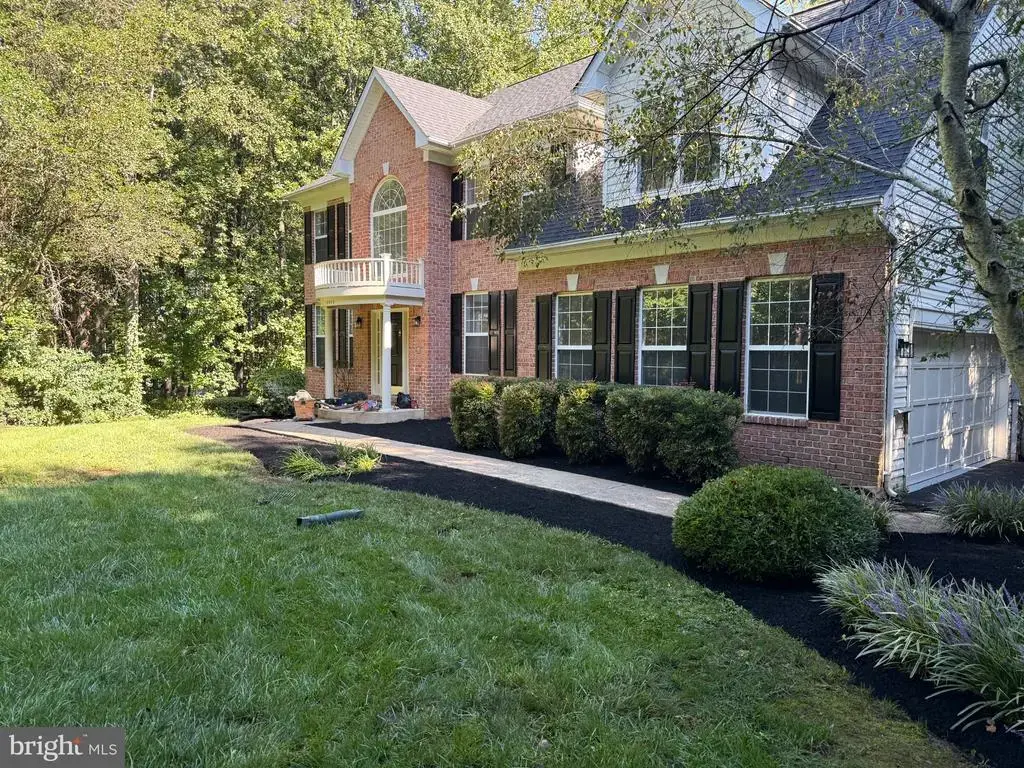


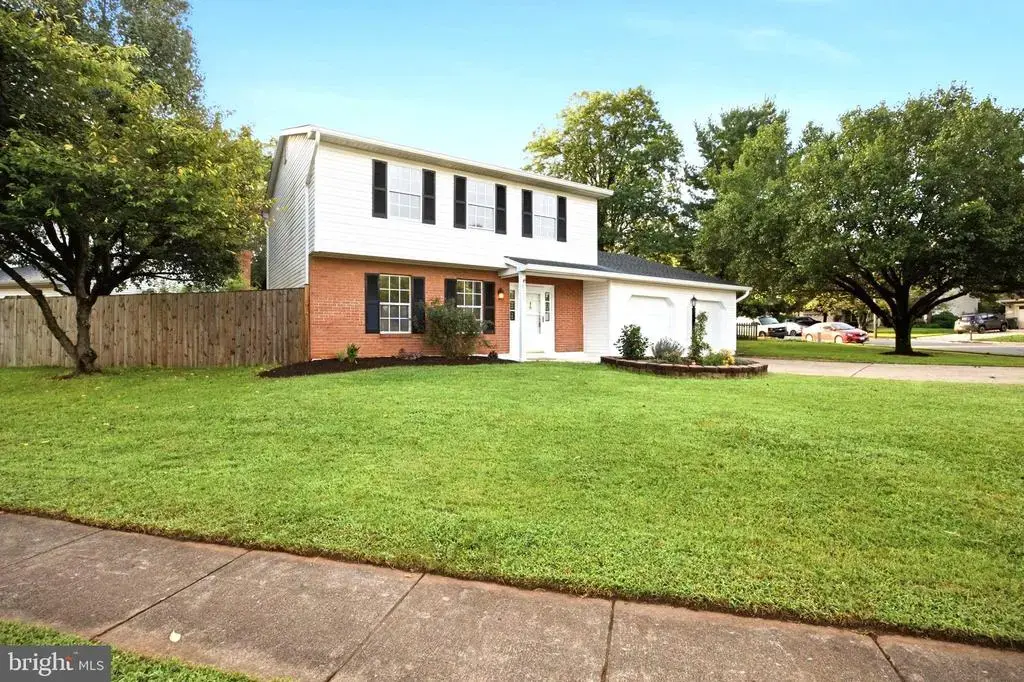
Cost of Living in Manassas VA (2026 Breakdown)
Here's what living in Manassas VA actually costs right now, based on January 2026 market data and what my clients are experiencing.
Median Home Prices (January 2026):
- All Home Types: $503,000 (up 7.3% year-over-year)
- Single-Family Detached: $670,000 (up 1.1% year-over-year)
- Townhomes: $450,000 (up 0.2% year-over-year)
- Condos: $347,499 (down 12% year-over-year)
Homes typically go pending in 23-35 days depending on property type and condition. Days on market have increased from the 2021-2022 frenzy but remain faster than historical averages, indicating healthy demand.
Rent: Expect to pay $2,200-$2,800/month for a three-bedroom townhome or single-family rental. Apartments start around $1,600-$1,900 for a two-bedroom in newer complexes near Innovation Town Center.
Property Taxes: Prince William County's real estate tax rate sits at $1.125 per $100 of assessed value. On a $500,000 home, you're looking at approximately $5,625 annually. Manassas City's rate is slightly higher at around $1.16 per $100.
Utilities: Budget $250-$400/month depending on home size and season. Summer cooling costs can push bills higher.
HOA Fees: Newer townhome communities typically charge $150-$300/month. Single-family neighborhoods might run $50-$150/month. Some older neighborhoods have minimal or no HOA fees.
Comparison to Other NoVa Markets:
- Arlington median: $850,000+ (up 21% year-over-year)
- Fairfax County: $750,000+
- Loudoun County: $700,000+
- Ashburn: $650,000+
- Manassas: $503,000 (all types), $670,000 (detached)
The value proposition is clear. You're getting 25-40% savings compared to inner NoVa markets, and you're still within the economic orbit of Washington DC. That spread matters when you're trying to actually build wealth through real estate instead of just making mortgage payments.
For a typical family buying a $500,000 townhome in Manassas with 10% down:
- Monthly mortgage (7% rate): ~$2,995
- Property taxes: ~$470/month
- HOA: ~$200/month
- Insurance: ~$150/month
- Total monthly housing cost: ~$3,815
That same family buying a comparable home in Fairfax County at $700,000 would pay approximately $5,200/month—a difference of nearly $1,400 monthly or $16,800 annually. Over a 30-year mortgage, that's over $500,000 in savings that can go toward retirement, college funds, or building actual wealth.
Best Neighborhoods in Manassas
Manassas isn't a monolithic market. The city has distinct neighborhoods with different price points, demographics, and lifestyle fits. Here's how I break it down for buyers.
Historic District
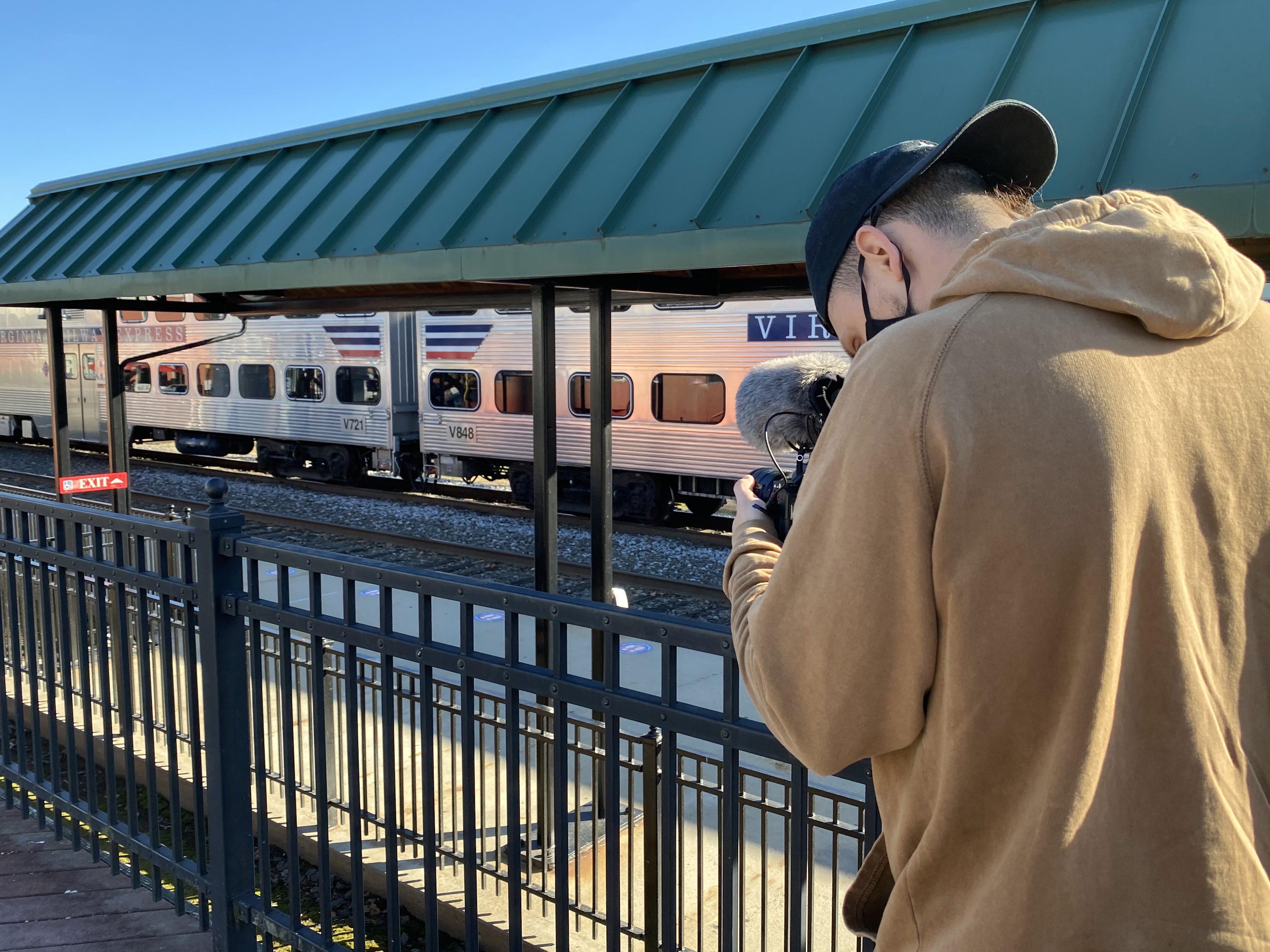
The Historic District centers around the restored downtown core near the VRE station. This is Manassas at its most walkable and charming—brick sidewalks, independent restaurants, the historic Manassas Museum, and actual neighborhood character.
The area features local favorites like Carmello's & Little Portugal for Italian and Portuguese cuisine, Okra's Louisiana Bistro for authentic Cajun and Creole, and several craft breweries. The Historic Manassas Visitor Center serves as the gateway to exploring the downtown area and its railroad heritage.
Who it's for: Empty nesters downsizing from larger homes, young professionals who value walkability, couples without kids who prioritize lifestyle over school ratings.
Price Range: $400,000-$600,000 for townhomes and smaller single-family homes. Inventory here is limited, so competition can be fierce when good properties hit the market.
Vibe: Small-town main street energy with legitimate history. The Manassas Railroad Festival and other community events center here. You're within walking distance of restaurants, breweries, and the VRE station.
Commute Advantage: If you're VRE-dependent, this location is unbeatable. Walk to the train, take the 70-minute ride into Union Station, and avoid I-66 entirely.
Innovation Town Center Area

This is Manassas's attempt at creating a live-work-play mixed-use environment—and it's actually succeeding. The area around Sudley Road and Innovation Park features newer apartments, retail, office space, and significant ongoing development that's transforming this corridor into a legitimate urban center.
Unlike many failed suburban "town center" projects that never achieve critical mass, Innovation is attracting real employers, real residents, and legitimate investment. The city has committed substantial infrastructure resources to support this growth, and the development momentum is visible and accelerating.
Current amenities include: Target, Alamo Drafthouse Cinema, restaurants ranging from chains to local concepts, fitness centers, and expanding retail. But the real story is what's coming—additional office development, more residential density, improved walkability, and the infrastructure to support a true mixed-use environment.
Who it's for: Renters, first-time buyers in townhomes, young families who want newer construction and amenities, professionals who work in the Innovation district itself, and anyone who values convenience over historic character.
Price Range: Townhomes start around $425,000-$525,000. New condo developments are entering the market around $350,000-$450,000. Apartments offer rental options for those not ready to buy.
Vibe: Suburban contemporary with genuine upward trajectory. It's not Georgetown today, but it's becoming something legitimate. The development quality is rising, the tenant mix is improving, and the walkability is actually functional within the district core. Chain restaurants still dominate, but local concepts are appearing. It's convenient and new, while rapidly evolving beyond generic suburban.
Commute Advantage: Direct Route 28 access means 20-30 minute commutes to Dulles corridor jobs. You're also close to the Prince William Parkway for toll-free routes south. For people working in the Innovation district itself, your commute might be a 10-minute walk.
Growth Potential: This is where Manassas's future appreciation will be strongest. As the district matures and attracts more employers, nearby residential properties will capture spillover demand from buyers who want proximity without paying premium Innovation prices. Early buyers in surrounding neighborhoods are positioning themselves ahead of that wave.
Wellington
Wellington is one of the larger established single-family communities in Manassas. It offers a mix of home sizes and ages, with solid amenities including pools, tennis courts, and walking trails.
Who it's for: Families prioritizing backyard space and community amenities, buyers who want established neighborhoods with mature trees.
Price Range: $500,000-$700,000 depending on home size and updates. The community has homes from multiple decades, so condition varies significantly.
Vibe: Classic suburban family neighborhood. Well-maintained, active HOA, community events. It's not flashy, but it delivers what families need.
Commute Advantage: You're centrally located with quick access to both I-66 and Route 28. VRE access requires a short drive to either Manassas station.
Point of Woods
Point of Woods sits in the southwestern section of Manassas, offering affordable entry points and diverse housing options.
Who it's for: First-time buyers, families seeking affordability, investors looking for rental properties.
Price Range: $375,000-$500,000. This neighborhood offers some of the most accessible price points in the city.
Vibe: Working-class suburban. Higher density, more diversity, functional rather than aspirational. It's where people start, not necessarily where they finish.
Commute Advantage: Route 234 provides access to I-66 and points south. Commute times run longer from here compared to more centrally located neighborhoods.
Mayfield Trace
Mayfield Trace represents newer construction on the city's northern edge. It's primarily townhomes and single-family homes built within the last 10-15 years.
Who it's for: Buyers who want newer homes with modern layouts, families with school-aged children, people who prioritize low maintenance.
Price Range: $475,000-$650,000 depending on home type and lot size.
Vibe: New suburban. Builder-grade finishes, neighborhood pools, smaller lots, contemporary floor plans. It's builder suburbia done competently.
Commute Advantage: Direct Route 28 access northbound to Dulles corridor jobs. I-66 access is quick via Route 234.
Schools in Manassas
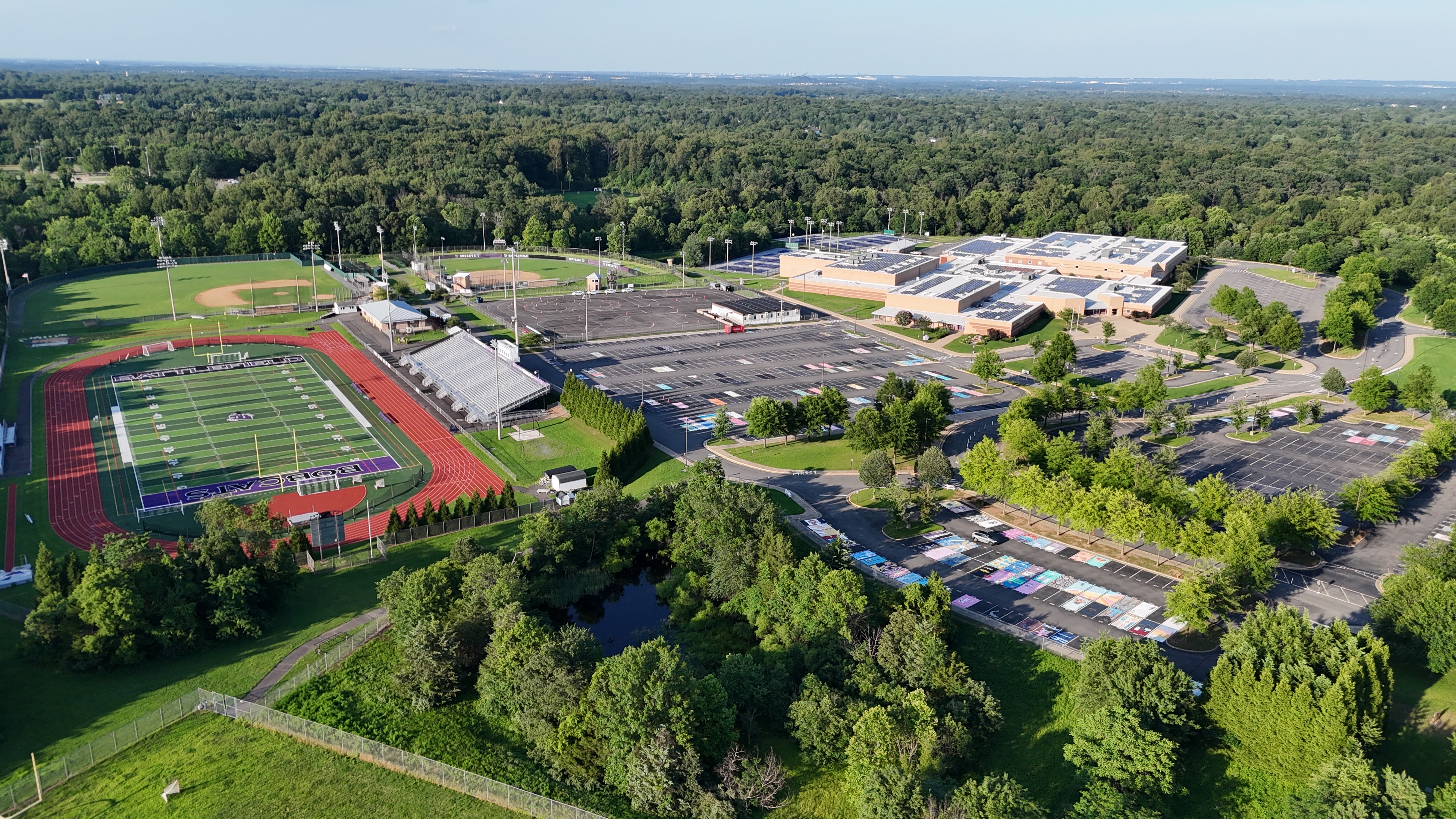
Schools in Manassas deserve an honest conversation because the reputation doesn't always match reality. The city is split between two school systems: Prince William County Public Schools (PWCPS) and Manassas City Public Schools (MCPS).
Prince William County Public Schools serve most of Manassas's suburban neighborhoods. PWCPS is a large district with 97 schools serving over 90,000 students. The district ranks 20th out of Virginia's school systems according to recent Niche rankings, earning a B+ overall grade.
The district includes some genuinely strong schools. Battlefield High School, Osbourn Park High School, and Colgan High School all earn A ratings from Niche and rank among Virginia's better public high schools. Elementary schools like Pennington Traditional School consistently receive high marks from parents.
Manassas City Public Schools operate independently within the historic city boundaries. MCPS is smaller, serving about 7,300 students across 11 schools. The district faces more challenges, with a C+ overall rating from Niche and lower proficiency rates compared to PWCPS. Osbourn High School, the city's main public high school, receives mixed reviews.
The reality: Schools in Manassas aren't Fairfax County or Loudoun County—those districts consistently rank among Virginia's elite. But PWCPS neighborhoods offer solid public education that prepares students well. The key is researching specific schools for your address, not making assumptions based on city-wide averages.
Private School Options: John Paul The Great Catholic High School consistently ranks as the top private school in the area. The school earns excellent reviews and provides a competitive college-prep alternative for families who prefer private education.
Governor's School Programs: Prince William County offers specialty Governor's School programs for high-achieving students interested in science, technology, engineering, math, and international studies. These programs provide rigorous academic opportunities typically associated with elite private schools.
My take: If you're comparing Manassas schools to Arlington or Loudoun, you'll notice a gap. But if you're comparing Manassas to similarly-priced markets, the schools hold up fine. The difference in education quality between a B+ and an A- district is marginal compared to the financial advantage you gain by not overpaying for housing.
Commuting from Manassas to DC
Let's be direct: the commute from Manassas to DC is not 20 minutes. Anyone telling you that is lying or time-traveling. But the commute is manageable if you plan correctly and choose the right transportation method for your schedule.
VRE (Virginia Railway Express)

VRE is your best weapon for DC commutes. Both the Manassas Station (downtown) and Manassas Park Station offer weekday morning service into Union Station. The train ride takes approximately 70-80 minutes depending on stops.
VRE runs Monday through Friday only, with morning trains heading into DC and afternoon/evening trains heading back to Manassas. There's no weekend service and no reverse-commute options. If you need to get to DC on Saturday or work non-traditional hours, you're driving.
The cost runs around $10-$11 for a one-way ticket. Monthly passes offer savings for regular commuters. Free parking is available at both stations.
VRE works exceptionally well if your office is near Union Station, NoMa, or has easy Metro access from these stations. The train is reliable, comfortable, and eliminates the stress of I-66 traffic. You can work on the train, read, or zone out—which makes the 70-minute commute feel productive rather than wasted.
Driving I-66

I-66 is the main artery connecting Manassas to DC. The highway runs directly from Manassas through Fairfax County into the District. During peak morning hours (6-9 AM eastbound), you're looking at 60-90 minutes to reach downtown DC depending on exact destination and traffic conditions.
I-66 inside the Beltway is free for HOV-3+ carpools during rush hour. Solo drivers and HOV-2 vehicles pay tolls. Outside the Beltway (including the Manassas area), I-66 Express Lanes tolls apply in the reverse-peak direction—eastbound in evenings, westbound in mornings.
The reality is that I-66 commutes are grueling if you're doing them daily. The tolls add up, the stop-and-go traffic is exhausting, and you're burning 2-3 hours of your day sitting in a car. VRE exists for a reason.
Route 28 Corridor
Route 28 runs north-south through Manassas, connecting to Dulles Airport and Loudoun County. If you work in the Dulles corridor, Chantilly, Reston, or Herndon, Route 28 is your primary route. Traffic can be heavy during peak hours, but it's manageable compared to I-66.
Commute times to Dulles area jobs typically run 20-35 minutes. That's competitive with what you'd face living in Loudoun County itself while paying significantly less for housing.
Who the Commute Works For
The Manassas commute works best for:
- DC employees who can use VRE and work near Union Station or Metro-accessible offices
- Federal employees with flexible schedules who can avoid peak rush hour
- Dulles corridor tech workers (20-30 minute reverse commute)
- People who work hybrid schedules (2-3 days in office)
- Couples where one partner works locally in Manassas/Prince William
The commute doesn't work well for:
- People who need to be in DC before 7 AM daily
- Families where both partners commute to DC
- Anyone allergic to 60-minute commutes
- Jobs requiring frequent last-minute office visits
Pros and Cons of Living in Manassas VA
Every market has trade-offs. Here's the honest breakdown of what you gain and what you sacrifice when moving to Manassas VA.
Pros

Affordability: You're saving $200,000-$400,000 compared to comparable homes in Fairfax or Loudoun County. That's not rounding error—that's real wealth-building capacity and financial breathing room.
Safe, Family-Friendly Neighborhoods: Manassas offers numerous safe neighborhoods ideal for families. Communities like Wellington, Mayfield Trace, and the PWCPS suburban areas provide family-friendly environments with low crime rates, good schools, and active community amenities.
Growth Trajectory: Manassas continues to develop. New retail, residential communities, and infrastructure investments (like the Tempo by Hilton at Nova Live) are improving the city's lifestyle offerings and long-term appreciation potential.
Historic Character: Unlike many NoVa suburbs that feel like they could exist anywhere, Manassas has actual history and identity. The railroad heritage, Civil War battlefields, and preserved downtown create a sense of place.
DC Access Without DC Living: You get Washington area job market access, salary levels, and economic opportunity without paying DC-level costs for everything from housing to parking to dry cleaning.
VRE Access: Commuter rail is a massive quality-of-life improvement over daily driving for DC employees. The ability to work on the train or just decompress makes the commute time more tolerable.
Development Momentum: The area is actively improving. New restaurants, breweries, shopping centers, and residential communities keep appearing. You're buying into growth, not managed decline.
Cons
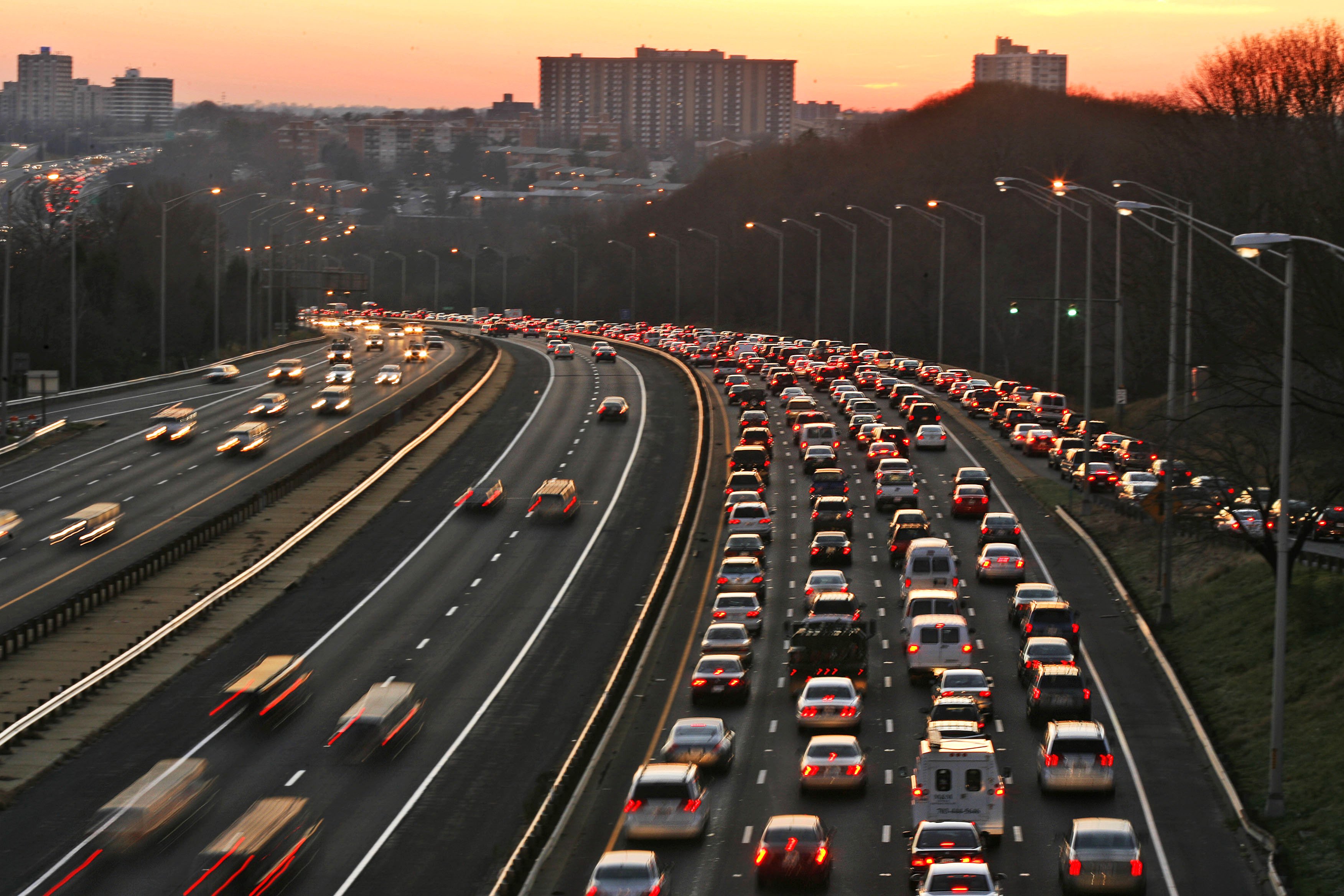
Traffic Reality: I-66 during rush hour is punishing. If you're driving to DC daily, be honest with yourself about whether you can sustain that long-term.
School Perception: Prince William County schools aren't Fairfax County schools. The quality is fine for most families, but if you're the type who obsesses over school ratings and rankings, the numbers won't satisfy you.
Distance from Core Job Centers: You're 30+ miles from DC. That's substantial. Weekend trips into the city require planning. Last-minute happy hours with Arlington friends become logistically complicated.
Rapid Development in Corridors: Parts of Manassas are experiencing heavy development. Route 28 corridor traffic has increased significantly. Some neighborhoods are seeing rapid density increases that change the character.
Limited Walkability: Outside the Historic District, Manassas is car-dependent. You're driving to the grocery store, driving to restaurants, driving everywhere. If walkability is non-negotiable for your lifestyle, this isn't your market.
New Construction Homes in Manassas
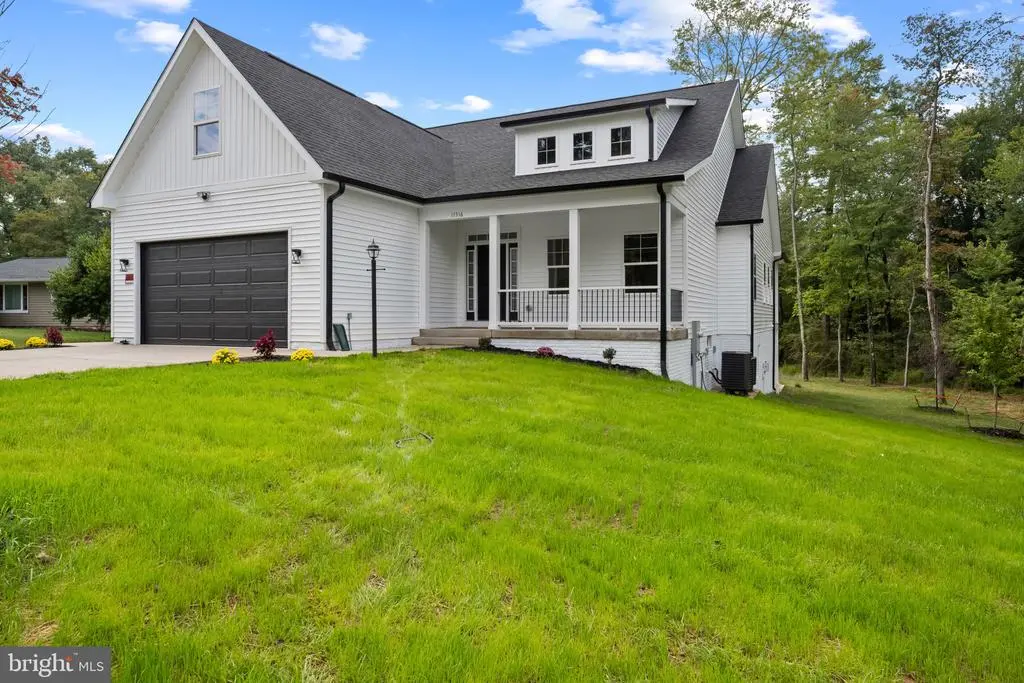
New construction in Manassas comes from major regional builders including Ryan Homes, NVHomes, and DR Horton. These builders focus primarily on Manassas townhomes and single-family homes in the $450,000-$700,000 range. Townhomes represent the most popular new construction option for first-time buyers and commuters who want low-maintenance living near VRE stations.
New construction appeals to buyers who want:
- Modern floor plans with open concepts
- Energy-efficient systems and appliances
- Builder warranties covering major systems
- Move-in ready homes without renovation needs
- Newer community amenities (pools, tot lots, trails)
The reality of new construction that builders don't advertise: base prices are misleading. Every builder quotes an attractive base price, then adds $50,000-$100,000+ in "options and upgrades" that are functionally mandatory. Nobody actually buys the base house. Granite counters, upgraded flooring, better HVAC systems, deck packages—it all adds up fast.
Builders also control financing, and they'll pressure you to use their preferred lender with promises of incentives. Sometimes those incentives are genuine value. Other times, you're better off with your own mortgage broker who'll shop multiple lenders for your best rate.
Timeline expectations matter too. New construction rarely closes on the original target date. Weather delays, permitting issues, supply chain problems, and contractor scheduling create constant timeline extensions. Plan on 6-9 months minimum from contract to keys, and be flexible.
Where new construction makes sense: If you have specific floor plan requirements, want everything new, and value the warranty coverage, paying the new construction premium can be worth it. Where it doesn't make sense: If you're stretching your budget to afford the base price, you'll be shocked when the actual final price comes in significantly higher.
I've negotiated dozens of new construction contracts for clients. My advice: shop multiple builders, compare actual finished home prices (not base prices), read the entire purchase agreement before signing, and get an independent home inspection before close even though the home is new. Builders make mistakes, and warranty claims are easier to resolve if you document issues immediately.
Manassas New Construction Homes 2026


Real Estate Trends in Manassas (2026)
The Manassas real estate market in January 2026 shows healthy activity with improved inventory and balanced dynamics compared to the frenzy of 2021-2022. Here's what the most recent data reveals.
Overall Market Performance (January 2026):
The median sold price across all home types reached $503,000 in January 2026, up 7.3% from January 2025 but down 5.7% from December 2025. This pattern is typical—prices often dip slightly in January after strong December closings, but the year-over-year appreciation demonstrates continued long-term growth.
Closed sales totaled 89 homes in January, up 12.7% compared to January 2025. New pending contracts reached 105, representing a 28% increase year-over-year. These numbers show genuine buyer demand despite higher interest rates.
Inventory and Supply: Active listings stood at 139 homes in January, up from 98 homes available in January 2025. This 42% increase in supply provides buyers with more options compared to the extreme shortage conditions of recent years. However, inventory remains well below the 5-year January average of 139 units, indicating the market hasn't overcorrected.
Days on Market: Homes averaged 33 days on market in January 2026, up from 23 days in January 2025 but still faster than the 5-year average of 33 days. Well-priced properties continue moving quickly, while overpriced homes face longer market times.
Sale Price to List Price Ratio: Homes sold for an average of 98.4% of original list price in January, down from 100.2% in January 2025. This indicates buyers have regained some negotiating leverage. Sellers can no longer automatically command over-asking offers, but strong properties still sell near or at asking price.
Market Breakdown by Property Type:
Single-Family Detached Homes: The median sold price hit $670,000 in January 2026, up just 1.1% from January 2025. These homes averaged 28 days on market and sold for 97.8% of list price. With 49 active listings and 44 new pendings, the detached home market shows a Contract Ratio of 1.10—meaning slightly more buyer demand than available inventory. This segment leans moderately toward sellers for well-priced homes.
Townhomes: Townhomes (the Attached/Townhouse category) showed a median price of $450,000, virtually flat compared to January 2025 (+0.2%). These properties moved fastest, averaging just 23 days on market and selling for 99.9% of list price. The townhome segment remains strong due to affordability and appeal to first-time buyers and VRE commuters.
Condos: Condos experienced price softness, with the median dropping to $347,499—down 12% from January 2025. However, sales volume surged 42.9% year-over-year, suggesting buyers recognize value in this segment. Condos averaged 55 days on market, significantly longer than other property types.
Appreciation Trends: Year-over-year price appreciation of 7.3% overall (January 2025 to January 2026) demonstrates healthy market growth aligned with wage growth and inflation. This sustainable appreciation rate differs dramatically from the unsustainable 15-20% annual gains of 2021-2022.
Buyer Demand Patterns: The 28% increase in new pending contracts year-over-year shows strong underlying demand. First-time buyers remain active, particularly in townhomes and condos. Move-up buyers are trading into larger single-family homes. Investor activity has moderated but continues at sustainable levels.
Is Manassas a Buyer's or Seller's Market Currently?
The January 2026 market is balanced with slight seller advantages in specific segments. The Contract Ratio (pending sales divided by active listings) of 0.76 for the overall market indicates relatively neutral conditions. Single-family detached homes favor sellers slightly (1.10 ratio), while condos favor buyers (0.67 ratio).
Buyers have regained negotiating leverage—inspection contingencies are standard, appraisal contingencies matter, and you can actually think overnight before submitting an offer. But well-priced, updated homes in desirable neighborhoods still receive multiple offers and sell quickly.
Sellers can't be unrealistic with pricing. Homes priced 5-10% above market value sit unsold while properly-priced homes move in 3-4 weeks.
Investment Perspective: Manassas continues offering solid long-term appreciation potential. The 7.3% year-over-year median price increase, combined with 30-40% savings versus Fairfax and Loudoun Counties, creates a compelling value proposition. This isn't a flip market—it's a buy-and-hold market where patient investors and homeowners build wealth through steady appreciation and mortgage paydown over 5-10+ years.
Future Growth Catalysts: Why Manassas Has Significant Upside
While current market conditions tell you where Manassas stands today, understanding future catalysts helps explain why this market offers exceptional long-term value. Two major developments position Manassas for accelerated growth over the next 5-10 years.
Manassas Regional Airport Expansion

Manassas Regional Airport (HEF) is poised to transform from a general aviation facility into a regional commercial airport. The airport authority has been actively pursuing commercial passenger service, which would fundamentally change Manassas's economic positioning.
Currently, Northern Virginia residents drive to Reagan National (DCA), Dulles (IAD), or BWI for commercial flights. Once Manassas Airport begins offering passenger service—even limited regional routes initially—the convenience factor for western Prince William County and surrounding areas becomes massive.
What this means for real estate values:
Commercial air service drives both residential demand and commercial development. Businesses locate near airports. Professionals choose homes based on airport proximity. The airport's expansion will create thousands of direct and indirect jobs while making Manassas significantly more attractive to corporate relocations and remote workers who travel frequently.
This isn't speculation—the planning is happening now. The infrastructure investments are being made. Northern Virginia's explosive growth demands additional airport capacity, and Manassas is positioned to capture that demand.
For homebuyers considering Manassas in 2026, you're buying before this catalyst fully materializes. When commercial flights begin—whether that's in 2027, 2028, or 2029—property values will reflect that new reality. Early movers capture the appreciation.
Innovation Town Center Development
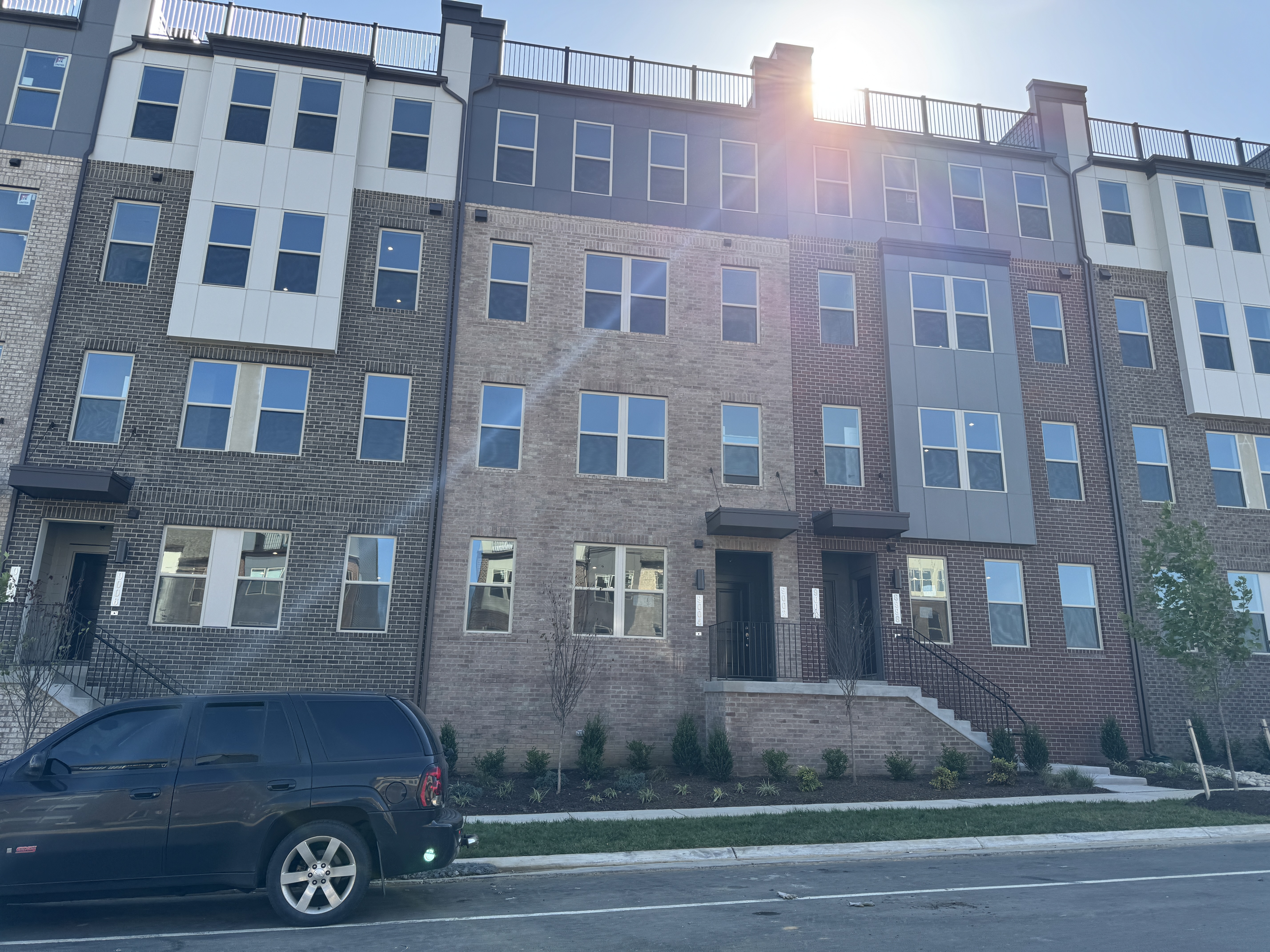
The Innovation Town Center area represents Manassas's commitment to creating a genuine mixed-use urban environment. Unlike the scattered strip mall development that defined earlier suburban growth, Innovation is being developed as an integrated live-work-play district.
Current and planned development includes:
- Significant office space attracting technology companies and professional services firms
- Residential density with new apartment buildings, condos, and townhome communities
- Expanded retail and dining beyond the existing Target, Alamo Drafthouse, and chain restaurants
- Entertainment venues and public gathering spaces
- Improved walkability and connectivity
The city has made substantial infrastructure investments supporting this development, including road improvements, utilities, and public amenities. This isn't aspirational planning—buildings are going up, tenants are moving in, and the transformation is visible.
Why this matters for buyers:
Innovation Town Center is creating local employment that reduces commute dependence. When companies locate jobs in Manassas itself, the value proposition shifts from "affordable place to live while commuting elsewhere" to "place where people actually live AND work."
Local employment drives property values because it creates organic demand. People want to live near work. The more jobs Innovation attracts, the more residential demand it generates. That demand flows into surrounding neighborhoods as buyers seek proximity without paying premium prices for Innovation address properties.
The development also addresses Manassas's historical weakness—limited lifestyle amenities and walkable environments. As Innovation matures, it becomes the urban core that attracts young professionals, empty nesters, and anyone who wants more than pure suburban car dependency.
The Compounding Effect
Here's what many buyers miss: these catalysts compound each other. Airport expansion makes Manassas more attractive to businesses. More businesses drive Innovation development. More development creates jobs. More jobs increase residential demand. Higher residential demand supports more retail and dining. Better amenities attract more residents.
This positive feedback loop is how secondary markets transform into primary markets. You're buying at the beginning of that cycle, not the end.
Timing Considerations
The question for buyers isn't whether these developments will impact property values—they will. The question is whether you buy before or after the impact is fully priced in.
In 2026, Manassas properties trade at a 25-40% discount to comparable Fairfax and Loudoun homes. That discount exists because the market is pricing Manassas based on its current amenities and infrastructure, not its 2030 reality.
Smart buyers recognize that gap and act accordingly. You're essentially buying at today's price with tomorrow's fundamentals already in motion. That's how real estate wealth gets built—not through speculation, but through informed positioning ahead of visible, predictable growth catalysts.
Things to Do in Manassas VA: Lifestyle Beyond Housing
One question I hear constantly from relocating families: "What are the things to do in Manassas VA?" The answer might surprise you. While Manassas isn't Georgetown or Old Town Alexandria, the city has developed a legitimate lifestyle ecosystem that goes beyond chain restaurants and Target runs.
Historic Attractions & Battlefields

Manassas National Battlefield Park is the city's most significant historical asset. This isn't just a Civil War history lesson—it's 5,000+ acres of preserved land available for hiking, running, and experiencing one of American history's most significant battlefields. The park offers trails, ranger-led programs, and educational exhibits about the First and Second Battles of Manassas (Bull Run).
For families with kids interested in history or anyone who appreciates preserved open space, the battlefield provides year-round recreation. It's completely free to visit, and the trails offer genuine escape from suburban density. Many Manassas residents use the battlefield like other communities use traditional parks—for exercise, dog walking, and family outings.
The Manassas Museum downtown documents local history beyond just the Civil War. Railroad heritage, regional development, and community evolution are all covered. It's a small museum, but well-curated and worth a visit, especially for newcomers trying to understand the city's identity.
Downtown Dining & Entertainment
The Historic District has evolved considerably in recent years. You'll find independent restaurants, breweries, wine bars, and coffee shops that create actual downtown energy on weekends. Is it Brooklyn? No. Is it a significant improvement over strip mall dining? Absolutely.
Popular local spots include Carmello's & Little Portugal (Italian and Portuguese cuisine), Okra's Louisiana Bistro (Cajun and Creole), Claire's at the Depot (American bistro), and several craft breweries including Heritage Brewing Co. that have opened in recent years. The dining scene skews toward American, Italian, and Latin American cuisines with some Asian representation.
The Hylton Performing Arts Center at George Mason University's Prince William Campus hosts professional theater, concerts, dance performances, and other cultural programming. This isn't community theater—it's legitimate performing arts that would cost significantly more to access in DC proper.
Shopping & Retail
Manassas Mall provides traditional enclosed shopping center retail—department stores, clothing shops, food court. It's aging compared to newer outdoor lifestyle centers but remains functional for everyday shopping needs.
The Innovation Town Center area offers newer big-box retail including Target, HomeGoods, and various restaurants. It's standard suburban shopping, but convenient.
For anything beyond routine purchases, you're driving to Fairfax County shopping centers or Tysons Corner Center. That 25-35 minute drive becomes part of the trade-off for lower housing costs.
Recreation & Parks

Prince William County Parks maintains an extensive parks system serving Manassas residents. Facilities include community centers, athletic fields, swimming pools, and trail networks. The Splash Down Water Park in Manassas offers summer recreation for families.
If you're into mountain biking, trail running, or hiking, you're positioned well. The broader Prince William area includes Bull Run Regional Park, Fountainhead Regional Park, and numerous trail systems that provide genuine outdoor recreation options beyond urban greenways.
Proximity to Other NoVa Destinations
One advantage people overlook: Manassas positions you centrally for exploring the broader Northern Virginia region. You're 25 minutes from Haymarket and the western Prince William County wine country. You're 30 minutes from Fairfax County's shopping and dining. You're 35 minutes from Dulles Airport. You're 45 minutes from Shenandoah National Park entrance points.
Living in Arlington means you're trapped in Arlington unless you fight horrible traffic to escape. Living in Manassas means you have regional flexibility. Weekend drives to Virginia wineries, mountain hikes, or small-town exploration become practical.
Utilities, Internet & HOA Landscape
Let's cover the operational details that affect monthly costs and quality of life but rarely make it into flashy real estate marketing.
Utilities & Energy Costs
Electricity in Manassas comes from Dominion Energy. Average monthly costs run $150-$300 depending on home size and season. Northern Virginia summers get genuinely hot and humid, so air conditioning costs are real. Modern homes with efficient HVAC systems run cheaper than older homes with original equipment.
Natural gas (also Dominion) serves most areas for heating, cooking, and hot water. Winter heating bills typically run $100-$200/month during peak cold periods.
Water and sewer services come from the City of Manassas or Prince William County Service Authority depending on your specific location. Budget $60-$100/month for water/sewer combined.
Total utility costs for a typical 2,000-2,500 square foot home: $250-$400/month averaged across the year.
Internet & Communications
Manassas offers decent internet options compared to more rural Virginia areas. Verizon Fios fiber optic service is available in many neighborhoods, providing genuine high-speed symmetrical upload/download speeds up to 1 Gbps. This matters for remote workers, gamers, and anyone who needs reliable connectivity.
Xfinity cable internet provides alternative service where Fios isn't available. Speeds are adequate for most households, though upload speeds don't match fiber.
5G home internet from Verizon and T-Mobile has recently become available in some areas as a wireless alternative. Results vary by location and tower proximity.
Unlike truly rural areas where internet options are limited to satellite or slow DSL, Manassas residents generally have access to modern high-speed internet that supports remote work, streaming, gaming, and other bandwidth-intensive activities.
HOA Fees & What You Get
Homeowners associations in Manassas vary dramatically in cost and services provided. Here's the breakdown:
Townhome Communities: Expect $150-$300/month. This typically covers exterior maintenance, roof replacement, common area landscaping, snow removal, trash collection, and amenity access (pools, playgrounds, clubhouses). Some newer communities push $350/month with premium amenities.
Single-Family Neighborhoods: Fees run $50-$150/month in communities with amenities like pools and tennis courts. Some neighborhoods have minimal HOAs at $25-$50/month covering only entrance landscaping and common area maintenance.
No HOA Properties: Older neighborhoods, particularly in Manassas City proper, may have no HOA at all. This saves monthly fees but means no community amenities and individual responsibility for all property maintenance.
What you're actually buying with HOA fees: convenience and predictability. The community handles major maintenance issues collectively. You're not scrambling to find a roofer when your townhome roof needs replacement—the HOA manages it. You're not maintaining a pool individually—the community pool is professionally maintained and insured.
The downside: you're paying monthly regardless of whether you use amenities, and you're subject to HOA rules and architectural controls. Some people appreciate that structure. Others find it restrictive.
My advice for HOA evaluation: read the covenants before buying, review the HOA's financial reserves (are they funding future capital improvements or spending everything currently?), and talk to current residents about how the HOA actually operates versus what the documents claim.
Employment & Economic Landscape
Understanding Manassas's economic position helps explain why the market works and who's moving here.
Local Employment
Manassas isn't a major employment center itself. The city has local government jobs, retail employment, service sector work, and some manufacturing and logistics operations, but most residents commute elsewhere for work.
Lockheed Martin operates facilities in the Manassas area. Micron Technology has a significant manufacturing presence. Amazon and other logistics companies run distribution centers that employ hundreds.
But the reality is that most Manassas residents commute to jobs in Washington DC, Arlington, Fairfax County, Loudoun County, or the Dulles corridor. That's the fundamental trade-off of the market—you live affordably in Manassas but work in the higher-cost, higher-wage core employment areas.
Who's Moving to Manassas
My typical Manassas buyers fall into several categories:
Federal Employees: People working for DOD, State Department, Homeland Security, and other federal agencies who need DC area access but can't afford Arlington on a GS-12 salary.
Dulles Corridor Tech Workers: IT professionals, data center operations staff, and tech contractors who work for Amazon Web Services, Google, Microsoft, or the hundreds of tech companies clustered around Dulles Airport.
First-Time Buyers: Young families buying their first home, priced out of Fairfax and Loudoun, willing to commute for affordability and the ability to actually build equity.
Move-Up Buyers from Prince William: Families who started in Woodbridge or Dale City and are now upgrading into better Manassas neighborhoods while staying in familiar territory.
Military & Defense Contractors: Pentagon employees, military contractors, and defense industry workers who need reasonable access to DC and Northern Virginia military installations.
Investors: Landlords buying townhomes near VRE stations to rent to federal employees and contractors seeking affordable NoVa housing.
The common thread: people connected to the Washington DC economic ecosystem who prioritize financial sustainability over minimal commute times.
Economic Stability
Manassas's economic stability ties directly to federal government spending and the broader DC area economy. When federal budgets are healthy and government contractor work is flowing, Manassas thrives. During government shutdowns or federal belt-tightening, the local economy feels pressure.
But the DC area's economic diversity—federal government, defense contractors, tech sector, healthcare, higher education, professional services—provides stability compared to single-industry markets. Recessions affect Manassas less dramatically than most American cities because federal employment provides ballast.
Final Thoughts: Is Manassas Right for You?
After 18 years selling real estate in this market and living in neighboring Gainesville my entire life, I can tell you exactly who succeeds in Manassas and who regrets the decision.
Manassas works for people who:
- Understand that value means getting more for less, not paying least
- Can handle commutes measured in hours per week, not minutes per day
- Prioritize financial flexibility and wealth building over prestige addresses
- Want growth exposure without speculation risk
- Value space (yards, square footage, parking) over walkability
- Are building long-term lives, not just seeking short-term convenience
Manassas doesn't work for people who:
- Need to be in DC by 7 AM every day
- Can't psychologically handle 60-minute commutes
- Require walkable urban density and car-free living
- Want Fairfax County school rankings at Prince William County prices
- Prize minimal commute time above all other considerations
- Are chasing social status through zip codes
The best realtor in Manassas—and I've earned that title through $1B+ in transactions and thousands of satisfied clients—will tell you the same thing I'm telling you now: Manassas offers exceptional value for buyers who match the market's strengths. It's not perfect, and it's definitely not for everyone. But for the right family or professional, it's the smart play that lets you participate in Northern Virginia's prosperity without financial suffocation.
The question isn't whether Manassas is "good" in some abstract sense. The question is whether Manassas fits your specific situation, priorities, timeline, and financial goals. That's a conversation worth having before you start touring homes.
If you're ready to explore Manassas properties that match your criteria, visit my Manassas real estate page to see current listings and market opportunities.
"Manassas is an excellent place to live for families and professionals who prioritize value, growth potential, and DC area access over immediate urban proximity. The city offers strong affordability compared to inner NoVa markets, decent schools in PWCPS areas, VRE commuter rail access, and genuine appreciation potential. It's not ideal for people who need walkable urban density or ultra-short commutes, but it delivers exceptional value for what you pay." "The cost to live in Manassas VA is significantly lower than inner Northern Virginia suburbs. The median home price is $503,000 (January 2026), with detached homes at $670,000 and townhomes at $450,000. Total monthly housing costs for a typical $500,000 townhome run approximately $3,815 including mortgage, taxes, HOA, and insurance. Add $250-400 for utilities and you're looking at $4,000-4,200 total monthly housing costs—roughly 25-35% less than comparable Fairfax or Arlington properties." Manassas is affordable relative to Northern Virginia overall, though expensive compared to national averages. Median home prices around $475,000-$530,000 provide 30-40% savings versus comparable homes in Fairfax, Loudoun, or Arlington. For the DC metro area, Manassas represents genuine value. For someone relocating from the Midwest, it will feel expensive." "Manassas has typical suburban crime rates for a city its size. Violent crime remains relatively low. Property crime occurs, particularly in higher-density apartment areas, but most neighborhoods experience minimal issues. Like any city, safety varies by specific neighborhood. Wellington, Mayfield Trace, and PWCPS suburban areas generally experience low crime. Some sections of Manassas City proper see higher incident rates. Research specific addresses using police data and talk to neighbors before buying." "Manassas sits approximately 30 miles west of Washington DC. VRE train service takes 70-80 minutes to Union Station. Driving via I-66 during morning rush hour typically requires 60-90 minutes to reach downtown DC depending on exact destination and traffic conditions. Outside rush hour, the drive takes 40-50 minutes." "Homes in Manassas represent solid long-term investments for owners willing to hold 5-10+ years. The city offers appreciation potential driven by DC area economic growth, continued development, relative affordability attracting first-time buyers, and infrastructure improvements. Expect 3-6% annual appreciation aligning with wage growth and regional economic expansion. Short-term flipping is less viable in the current market, but buy-and-hold strategies work well." "The best schools in Manassas depend on which school district serves your address. The Manassas school district is split between Prince William County Public Schools (PWCPS) and Manassas City Public Schools (MCPS). Top-rated schools include Battlefield High School (A rating), Osbourn Park High School (A rating), Colgan High School (A rating), and Pennington Traditional School at the elementary level. For families prioritizing education, focus your home search on PWCPS-zoned neighborhoods. Private options include John Paul The Great Catholic High School, which consistently ranks as the area's top private school. "The best Manassas neighborhoods depend on your priorities. The Historic District offers walkability and VRE access. Wellington provides established family-friendly amenities. Mayfield Trace delivers newer construction. Innovation Town Center area offers mixed-use convenience. Each neighborhood serves different buyer types. Work with a knowledgeable local agent—ideally the best realtor in Manassas—who can match neighborhoods to your specific requirements and budget." "Manassas works well for commuters who can use VRE to DC or who work in the Dulles corridor. The VRE train provides reliable, comfortable service to Union Station in 70-80 minutes. Dulles corridor commutes via Route 28 run 20-35 minutes. Daily I-66 driving to DC is challenging and exhausting. Manassas commuting success depends heavily on your specific job location and schedule flexibility." "Manassas is more affordable Northern Virginia real estate because of its distance from DC's core (30 miles), longer commute times compared to Arlington or Fairfax, and school district perception gaps. However, these "disadvantages" are often overstated. VRE provides comfortable rail access, PWCPS schools are solid, and the 25-40% price discount versus inner suburbs creates genuine wealth-building opportunities. You're paying less for largely the same DC-area economic access and quality of life." "Yes. Major builders including Ryan Homes, NVHomes, and DR Horton actively develop townhomes and single-family homes in Manassas. New construction primarily targets the $450,000-$700,000 price range. Expect modern floor plans, builder warranties, and community amenities. Remember that base prices don't include mandatory upgrades, and final costs typically exceed initial quotes by $50,000-$100,000+."Frequently Asked Questions
Is Manassas VA a Good Place to Live?
How Much Does It Cost to Live in Manassas VA?
Is Manassas Expensive?
Is Manassas Safe?
How Far Is Manassas from DC?
Are Homes in Manassas a Good Investment?
What Are the Best Schools in Manassas?
What Are the Best Neighborhoods in Manassas?
Is Manassas Good for Commuters?
Why Is Manassas More Affordable Than Other Northern Virginia Suburbs?
Are There New Construction Homes in Manassas?
Browse Manassas Homes for Sale
Ready to explore your options and buy a home in Manassas? I maintain current homes for sale in Manassas and surrounding Prince William County on my dedicated Manassas real estate page. You can search by price range, neighborhood, home type, and school district to find properties that match your specific requirements.
Visit www.colganteam.com/manassas-real-estate to browse active Manassas listings, set up custom search alerts, and schedule property tours. If you'd like personalized guidance or want to discuss specific neighborhoods in detail, contact me directly. I've helped hundreds of families successfully relocate to Manassas and the broader Northern Virginia market.
About Chris Colgan
I'm Chris Colgan, a Northern Virginia real estate expert and founder of Real Nova Network. I've lived in the Gainesville area my entire life and have spent over 18 years helping families buy and sell homes across Prince William County, Manassas, and the broader NoVa market.
My team has closed over $1 billion in real estate transactions, and we specialize in relocation strategy, new construction negotiation, and hyperlocal market knowledge. I operate the Chris Colgan Team through Real Broker and maintain one of the region's most-watched real estate media platforms with over 32 million video views and 79,000+ Instagram followers.
I bring boots-on-the-ground expertise that national portals simply can't match. If you're considering moving to Manassas VA or anywhere in Northern Virginia, I'd welcome the opportunity to help you navigate this market strategically.
Thinking About Moving to Northern Virginia?
Get my free Northern Virginia Relocation Guide—packed with neighborhood breakdowns, school information, commute strategies, and insider market insights that will help you make informed decisions about your move.
Download it here: www.northernvirginiarelocation.com
If you're considering moving to Manassas VA or anywhere in Prince William County, I invite you to explore current Manassas homes for sale and contact the Chris Colgan Team for a strategy call. We'll discuss your specific requirements, timeline, and budget to create a customized home search plan.
Visit www.colganteam.com/manassas-real-estate to browse listings, download market reports, and schedule a consultation. Let's find you the right home in Manassas.
Posted by Chris Colgan onEnjoy this blog post? Click here to subscribe for updates
Leave A Comment