

If you've been wondering whether Virginia is actually an affordable state to own a home — or whether your housing costs are eating too much of your paycheck — a new national study has some answers worth paying attention to.
According to WalletHub's recent analysis of housing costs across all 50 states, Virginia homeowners spend approximately 24.95% of their monthly household income on housing costs — placing the state at #19 nationally among the most expensive states for homeowners. That puts Virginia squarely in the middle of the pack: not as brutal as Hawaii (50%), California (43%), or Massachusetts (34%), but also not as affordable as Iowa, Kansas, or West Virginia.
For renters, Virginia actually looks considerably better. The state ranked #44 out of 50 — meaning Virginia renters spend roughly 23.66% of their income on housing, making it one of the more renter-friendly states in the country.
Here's what that data means if you're buying, selling, or relocating in Northern Virginia right now.
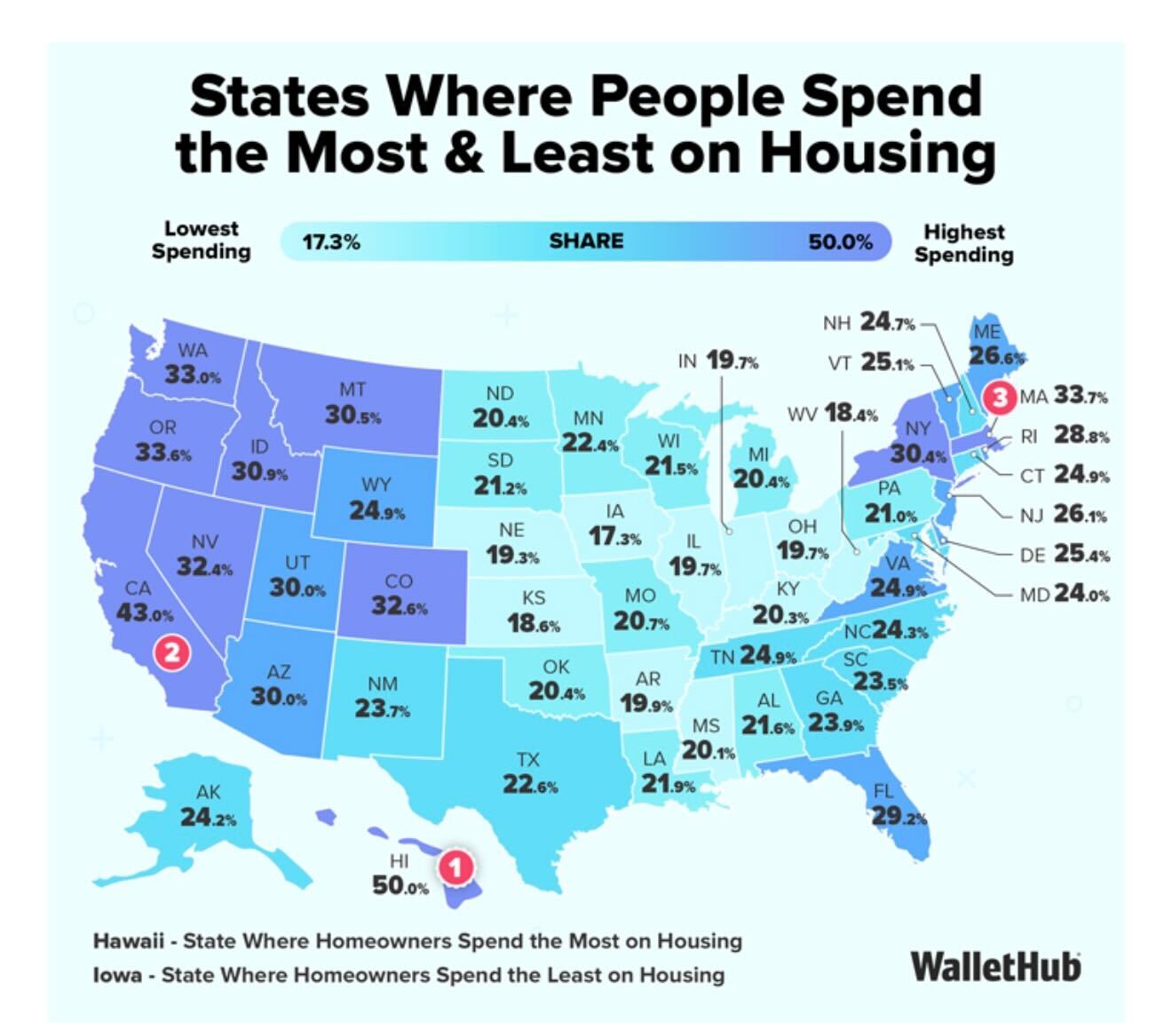
Why Virginia's 24.95% Housing Cost Ratio Actually Matters
WalletHub's methodology combined monthly mortgage payments (principal and interest) plus home energy costs, then measured those against each state's median household income. It's a cleaner picture of real affordability than just looking at list prices or average rents.
Virginia lands near the quarter-of-your-income mark. Financial planners often cite the 28% rule as a rough ceiling for housing as a share of income — so Virginia homeowners, on average, are still below that threshold. That's meaningful context.
But here's what the state-level number doesn't show: Northern Virginia is not average Virginia.
Home prices along the I-66, I-95, and Dulles Toll Road corridors — from Arlington to Fairfax to Ashburn — run significantly above the state median. A single-family home in Haymarket or Gainesville routinely trades in the $600K–$900K range. In Arlington, you're looking at $1.5M+ for a detached home. That pulls the housing-cost-to-income ratio higher for NoVA buyers than the statewide 24.95% figure suggests.
The flip side? Household incomes in Northern Virginia are also considerably higher than the Virginia average, driven by federal contractors, tech workers, and government professionals. That partially offsets the premium.
How Virginia Compares to Its Neighbors

The WalletHub data shows some interesting contrasts for buyers considering the broader Mid-Atlantic region:
- Virginia homeowners: 24.95% of income on housing (#19 nationally)
- Maryland homeowners: 24.00% of income (#26)
- West Virginia homeowners: 18.39% (#49 — among the cheapest)
Maryland is slightly more affordable on paper, though in practice the DC suburbs on both sides of the river are priced comparably. West Virginia is dramatically cheaper — but the job market and income levels tell a very different story.
For renters, the comparison is even more favorable to Virginia. At 23.66%, Virginia renters ranked #44 out of 50 — far better than Maryland renters at 35.44% (#12) and light years ahead of Hawaii's 62.52%.
If you're renting while saving to buy, Virginia is genuinely one of the better states in the country to be doing that in.
What This Means for Northern Virginia Buyers Right Now
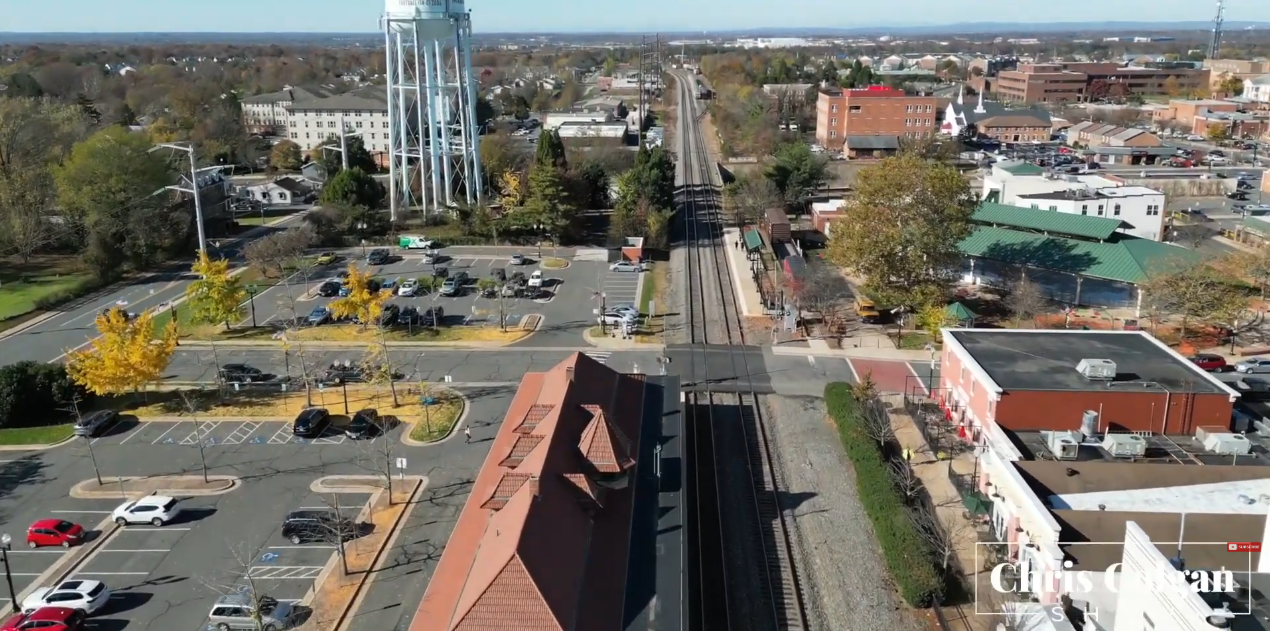
I work with buyers across Fairfax County, Prince William County, Loudoun County, Arlington, and out into Fauquier and Fredericksburg every week. Here's the honest picture:
The affordability story in Northern Virginia is really about trade-offs. If you're priced out of Arlington or close-in Fairfax, communities like Manassas, Haymarket, Gainesville, and western Prince William give you substantially more home per dollar — often with equally strong schools and reasonable commute access via I-66 or VRE.
I grew up in this area. I live here now. The value west of Route 29 and along the Gainesville/Haymarket/Bristow corridor is real — and it's where I see a lot of buyers landing when they want to keep their housing costs from creeping above that 30% threshold.
Interest rates remain the wild card. The WalletHub data captures principal and interest as part of housing costs — which means the rate environment you buy in dramatically affects where you fall on this scale. A buyer who locked in at 3.5% in 2021 and a buyer closing at 6.8% today on the same home are living in completely different affordability realities, even at identical incomes.
If you're trying to understand what your actual housing cost ratio looks like before you make a move, that's a conversation worth having with a local expert before you start touring homes.
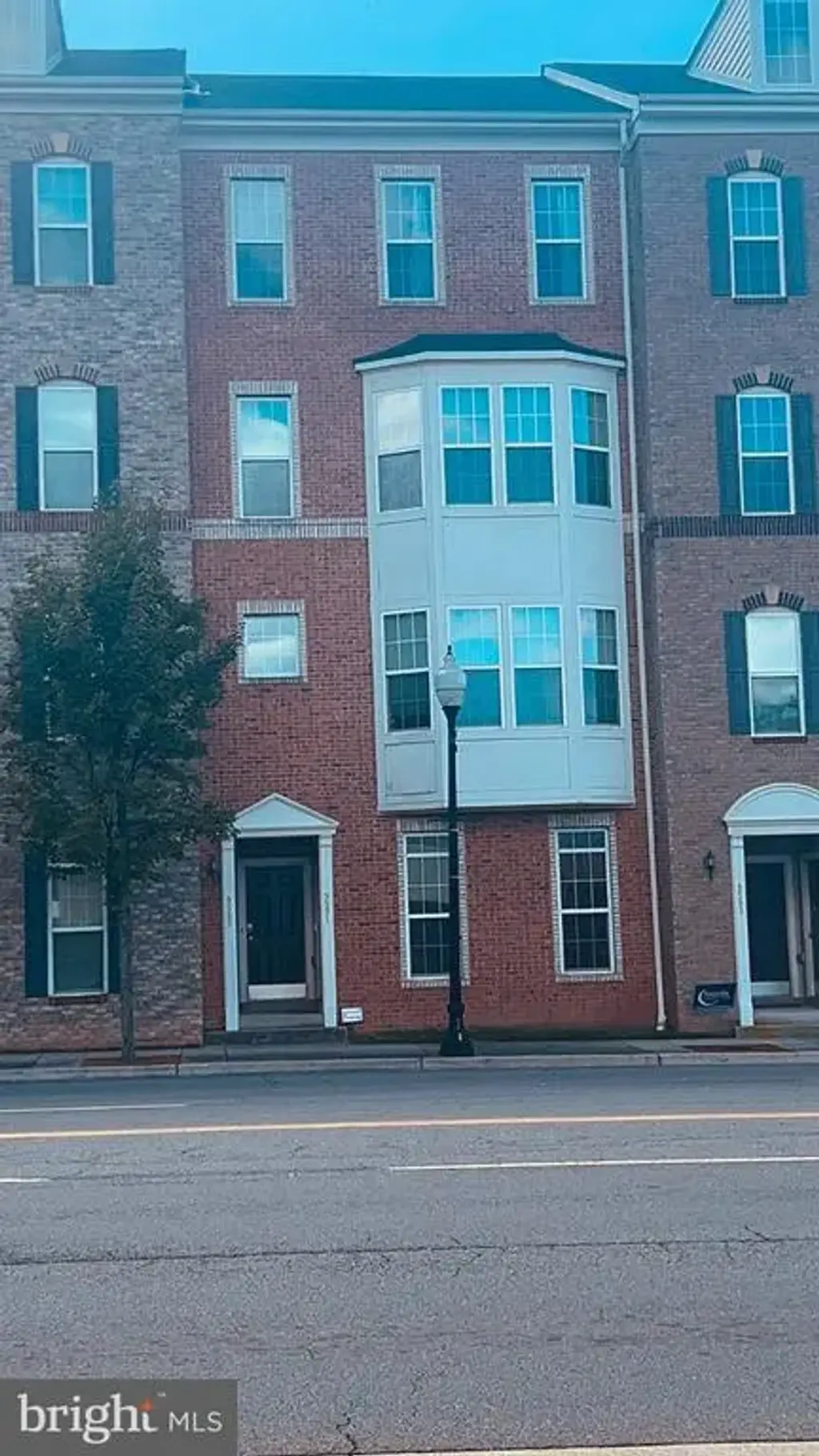
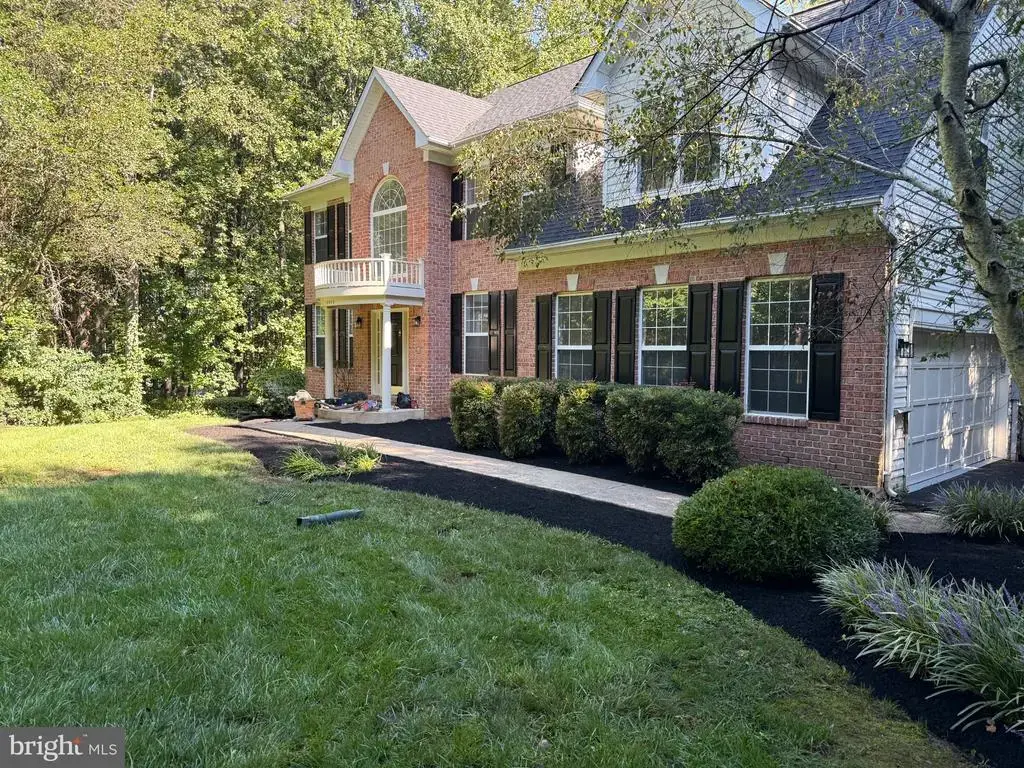
See the Newest Manassas, VA Real Estate




Virginia's Tax Advantage Is Part of the Real Cost Picture
One thing the WalletHub study doesn't capture: Virginia's income tax structure is a meaningful financial advantage compared to DC and Maryland for high earners.
Virginia caps state income tax at 5.75%. DC residents pay up to 10.75%. Maryland adds local levies on top of state rates. For a tech professional or federal contractor earning $150,000+ annually, that differential can put $5,000–$12,000+ back in your pocket every year — money that effectively makes your housing budget go further.
When my clients from DC or Maryland run the full-picture numbers — income tax savings, property tax rates, cost per square foot — Northern Virginia consistently comes out ahead on total cost of living, even at today's price points.
Final Thoughts
According to WalletHub, Virginia ranks 19th nationally for homeowner housing costs at roughly 25 cents on every dollar of household income. That's a workable number for most buyers — especially when you factor in the state's income tax advantage and the relative value available west of the Beltway in communities like Haymarket, Manassas, Ashburn, and Warrenton.
If you're trying to figure out whether buying in Northern Virginia makes financial sense for your situation, I'd love to walk through the numbers with you. I'm not going to tell you what you want to hear — I'm going to tell you what's actually true for your budget, your income, and the neighborhoods that match your life.
If you're looking for the best realtor in Northern Virginia to help you cut through the noise and make a smart housing decision, reach out. I've helped buyers and sellers across this region for over two decades, with more than $1 billion in closed transactions and deep roots from Gainesville to the Fauquier line.
Visit ColganTeam.com to explore listings, request a home value estimate, or connect directly.
Stay ahead of the Northern Virginia market — subscribe to my newsletter at realnovanetwork.com and follow along on YouTube at YouTube.com/ChrisColgan and Instagram @ChrisColganTeam.
571-437-7475 | ChrisColgan@ColganTeam.com Virginia Real Estate License #0225 075803
"According to WalletHub's national analysis, Virginia homeowners spend about 24.95% of their monthly household income on mortgage and energy costs — placing the state at #19 nationally. That's above the national midpoint but well below the most expensive states like Hawaii and California. In Northern Virginia specifically, higher home prices push that ratio up, though higher household incomes partially offset the premium." "Northern Virginia runs significantly above state averages on home prices, particularly in Arlington, Fairfax, and Loudoun counties. However, household incomes in NoVA also run well above the state median, which moderates the cost-to-income ratio. Communities in western Prince William, Fauquier, and the Fredericksburg corridor offer considerably more affordability while staying within commuting distance of major employment centers." " That depends heavily on your timeline, income stability, and how long you plan to stay. Virginia ranks as one of the more renter-friendly states nationally, at #44 for renter housing costs. But Northern Virginia real estate has historically appreciated well, and equity building is a meaningful financial advantage for long-term residents. I walk clients through this decision regularly — reach out at ColganTeam.com for a personalized consultation." "Financial guidelines generally suggest keeping housing costs — mortgage or rent plus utilities — at or below 28–30% of gross monthly income. Virginia's statewide average of 24.95% for homeowners falls within that range, though your individual number will vary based on your income, the specific market you're buying in, and your current interest rate." "Yes, meaningfully so. Virginia caps state income tax at 5.75%, compared to DC's top rate of 10.75% and Maryland's combined state and local levies. For high earners, this can represent thousands of dollars annually — effectively increasing your purchasing power even in a market with strong home prices."Frequently Asked Questions
Is Virginia an affordable state to buy a home?
How does Northern Virginia compare to the rest of Virginia for housing costs?
Is it better to rent or buy in Northern Virginia right now?
What percentage of income should I spend on housing in Virginia?
Does Virginia have a tax advantage over Maryland and DC for homebuyers?
About Chris Colgan

Chris Colgan is the founder of Real Nova Network and team leader of Chris Colgan – Real Broker – Powered by PLACE.
Through colganteam.com and realnovanetwork.com, Chris covers Northern Virginia real estate trends, major developments, and hyper-local market updates to help buyers and sellers make confident decisions.
Thinking about moving to Northern Virginia? Get my free Northern Virginia Relocation Guide — packed with neighborhood breakdowns, schools, commute tips, and real insider insight.
Subscribe to my YouTube channel, Northern Virginia Living with Chris Colgan, for neighborhood tours, real estate insights, and updates on major developments across the region.
Posted by Chris Colgan on
Enjoy this blog post? Click here to subscribe for updates
Leave A Comment