
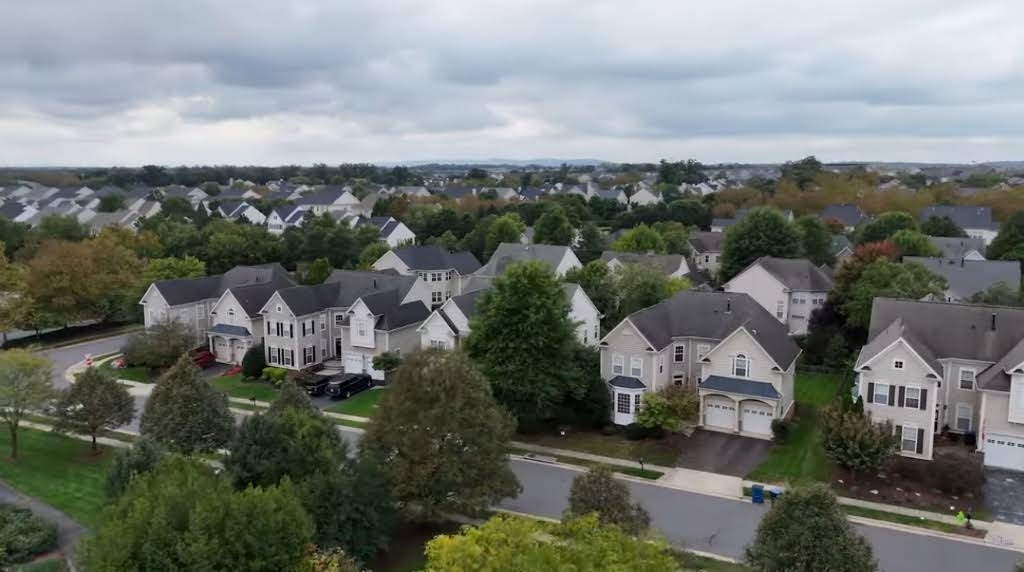
Northern Virginia Buyers Pulled Back in August—But Home Prices Still Haven’t Crashed
The Northern Virginia housing market slowed down significantly in August 2026.
Buyers scheduled fewer showings. Fewer homes went under contract. More listings remained available. In parts of Virginia, inventory increased by more than 20% compared with last year.
But here is where the market gets confusing:
Home prices still have not crashed.
The median sales price increased across the overall Washington, D.C. metro area and North Central Virginia, even as buyer activity declined.
After more than 20 years of selling real estate in Northern Virginia, my honest assessment is that we are moving into a market where buyers have more negotiating power—but sellers are not automatically desperate.
The August numbers show a clear gap developing between buyer demand and home prices. That gap is creating opportunities, but only for buyers and sellers who understand what is actually happening in their specific market.
Quick Answer: What Happened to the Northern Virginia Housing Market in August 2026?
Buyer activity slowed sharply in August 2026 while inventory increased, but home prices did not collapse.
Across the Washington, D.C. metro:
- Closed sales fell 9.2% year over year
- New pending sales fell 11.5%
- Showings fell 7.3%
- Active listings increased 11.3%
- Median sales price increased 2.4% to $640,000
The biggest buyer opportunity is in the condo market, while detached homes remain much more competitive.
What’s in This Guide
- What happened in August 2026
- Why inventory is rising
- Are home prices falling?
- Where inventory increased the most
- Why condos are under the most pressure
- Why detached homes are holding up
- What is happening with townhomes
- What buyers should do now
- What sellers should do now
- Should you wait for prices to drop?
- Is Northern Virginia a buyer’s market?
- Frequently asked questions
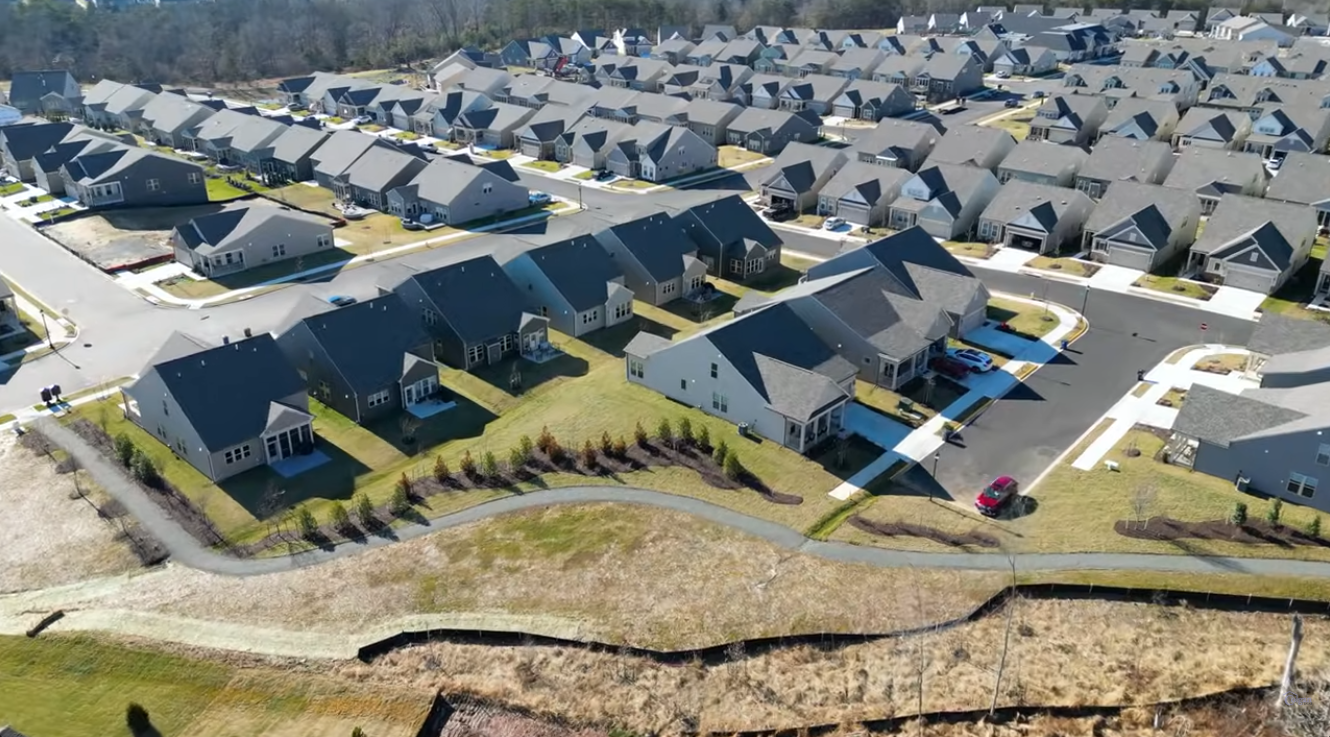
What Happened to the Northern Virginia Housing Market in August 2026?
Across the Washington, D.C. metro area, there were 3,872 closed sales in August, according to Bright MLS.
That was a 9.2% decline from August 2025.
The number of homes going under contract declined even more. New pending sales fell 11.5% from last year, while showing activity dropped 7.3%.
At the same time, active inventory increased 11.3% to 11,280 homes.
The median sales price still increased 2.4% to $640,000.
Here are the major D.C. metro numbers:
- Closed sales: 3,872, down 9.2%
- New pending sales: 3,732, down 11.5%
- Showings: 82,793, down 7.3%
- Active listings: 11,280, up 11.3%
- Median sales price: $640,000, up 2.4%
- Median days on market: 19 days
- Months of supply: 2.73 months
The market slowed even compared with July.
Closed sales fell 17.4% from July to August. Pending sales declined 11.2%, new listings dropped 15.4%, and the median price declined from $650,000 to $640,000.
Some of that is normal late-summer seasonality. Families are focused on vacations, school schedules and getting through the end of summer.
But the year-over-year decline in pending sales tells us this is not just a normal seasonal slowdown.
Buyer demand has weakened.
Why Is Inventory Rising if Fewer Sellers Are Listing?
This is one of the most important things happening in the market.
You might assume that inventory is rising because thousands of additional homeowners decided to sell. That is not what the August numbers show.
New listings across the D.C. metro declined 3.8% from last year.
Despite fewer new listings, the number of active homes increased 11.3%.
That means inventory is accumulating because fewer buyers are making offers and more homes are remaining on the market.
North Central Virginia experienced an even larger increase.
This region includes Prince William, Stafford, Fauquier, Culpeper, Spotsylvania, Fredericksburg, Winchester and several surrounding markets.
Active inventory increased 22.4% to 4,186 homes, even though new listings declined 2.6%.
Pending sales fell 8.3%, showings dropped 5.5%, and the typical home took 21 days to sell—five days longer than it did last August.
The number of available homes is increasing faster than the number of buyers willing to purchase them.
That does not automatically mean sellers will accept any offer. It does mean buyers have more alternatives and less pressure to settle for a home that is overpriced or needs substantial work.
Are Northern Virginia Home Prices Finally Falling?
In some places and property categories, yes.
Across the overall Northern Virginia market, however, prices are holding up better than buyer demand.
The D.C. metro median sales price increased 2.4% to $640,000.
North Central Virginia’s median price increased 3% to $515,000.
Several local markets posted surprisingly strong year-over-year gains:
- Arlington County: $860,729, up 14.8%
- Manassas City: $540,000, up 8.5%
- Prince William County: $599,900, up 5.2%
- Fauquier County: $675,000, up 4.7%
- Loudoun County: $771,250, up 0.9%
These monthly median prices can be affected by the mix of homes sold, especially in smaller cities and counties. If more expensive homes happen to close during a particular month, the median can rise even if individual property values have not increased by the same percentage.
But the overall data still does not point to a market-wide collapse.
Instead, price growth is slowing—and in several areas it has already turned slightly negative:
- Fairfax County: $752,250, down 0.4%
- Stafford County: $545,000, down 0.9%
- Culpeper County: $502,000, down 1.6%
- Fredericksburg City: $448,750, down 11.1%
- Winchester City: $360,000, down 8.9%
The smaller markets can be volatile from one month to another, so I would not make a major decision based on a single percentage.
The larger trend matters more: buyers are pulling back, inventory is growing, and sellers have less room to overprice.
Where Did Inventory Increase the Most?
Outer Northern Virginia and the surrounding markets experienced some of the biggest inventory gains.
Compared with August 2025:
- Fairfax County inventory increased 20.3% to 1,985 homes.
- Loudoun County inventory increased 17.6% to 907 homes.
- Prince William County inventory increased 24.3% to 916 homes.
- Stafford County inventory increased 19.5% to 502 homes.
- Fauquier County inventory increased 13.8% to 247 homes.
- Culpeper County inventory increased 16.3% to 228 homes.
- Frederick County inventory increased 34.6% to 420 homes.
- Warren County inventory increased 37% to 189 homes.
- Fredericksburg City inventory increased 48.1% to 77 homes.
These markets are not all behaving the same way, but buyers generally have more options than they did last year.
In Culpeper County, the typical home took 38 days to sell, 18 days longer than last August.
Frederick County reached 33 days on market, an increase of 13 days. Stafford County reached 21 days, while Fauquier County increased to 16 days.
More inventory and longer market times create leverage, particularly when a property has been listed for several weeks without receiving an offer.
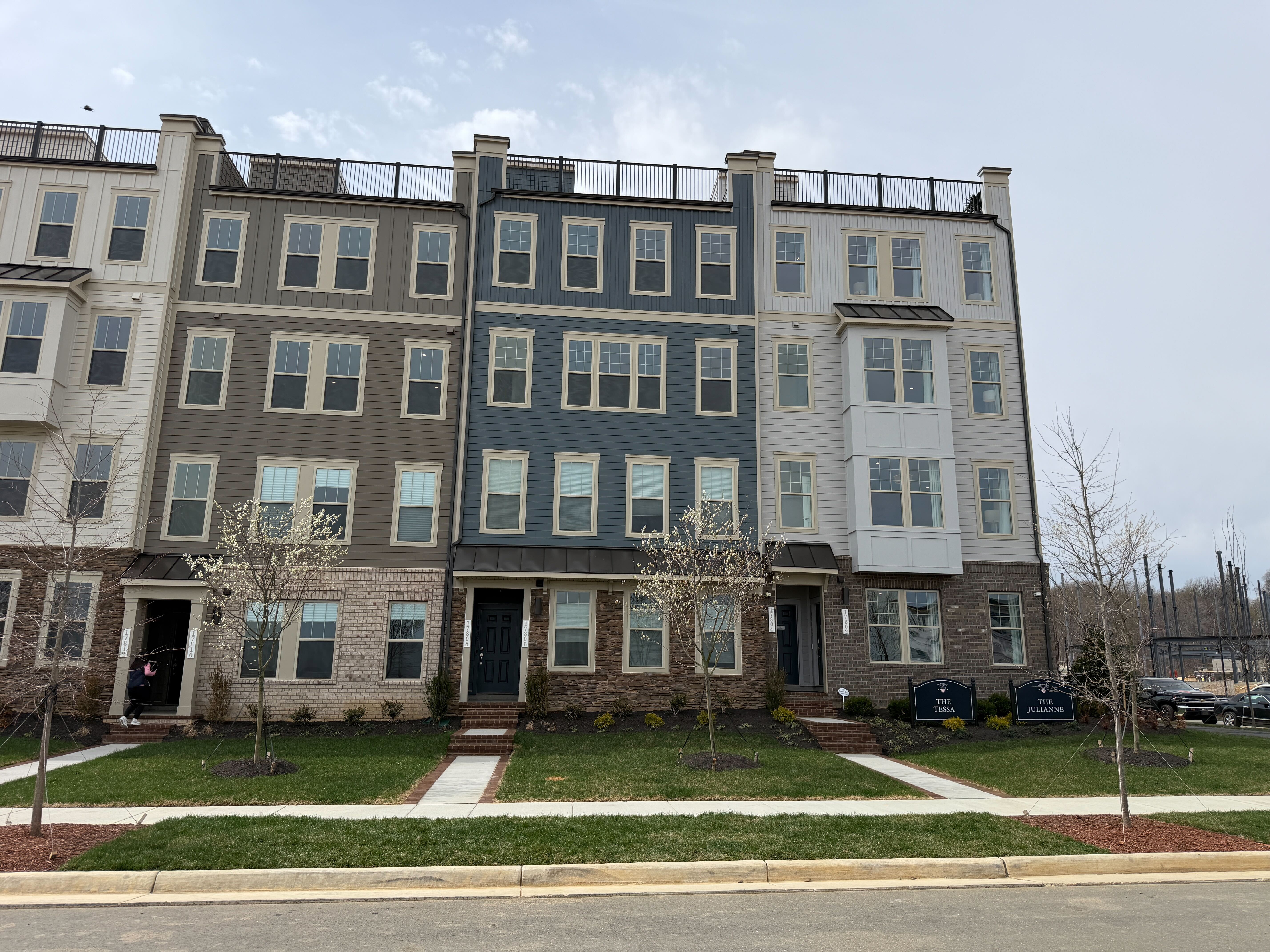
The D.C. Metro Condo Market Is Under the Most Pressure
The sharpest slowdown in the August reports was in the condo market.
Across the D.C. metro area:
- Condo inventory increased 28.2%.
- Closed condo sales fell 22.7%.
- Pending condo sales declined 19.7%.
- New condo listings increased 6%.
- The median condo price fell 5.7% to $386,500.
- Median days on market increased from 25 to 34 days.
- Condo supply increased from 3.11 to 4.30 months.
This is the clearest buyer opportunity in the current market.
A buyer considering a condo may now have room to negotiate the sales price, closing-cost assistance, repairs or help with a mortgage-rate buydown.
But lower prices do not automatically make every condo a good purchase.
Before buying, you need to review:
- The monthly condo fee
- Recent and proposed special assessments
- The association’s reserve funding
- Building insurance
- Delinquency rates
- Pending litigation
- Rental restrictions
- Major repairs planned for the building
- Whether the building qualifies for conventional financing
A condo with an attractive price can become expensive very quickly if the association is underfunded or facing major repairs.
For condo sellers, the message is equally clear. You are competing against 28.2% more inventory than sellers faced last year. Buyers have choices, and they will compare your unit’s price, condition, fee and building health against every available alternative.
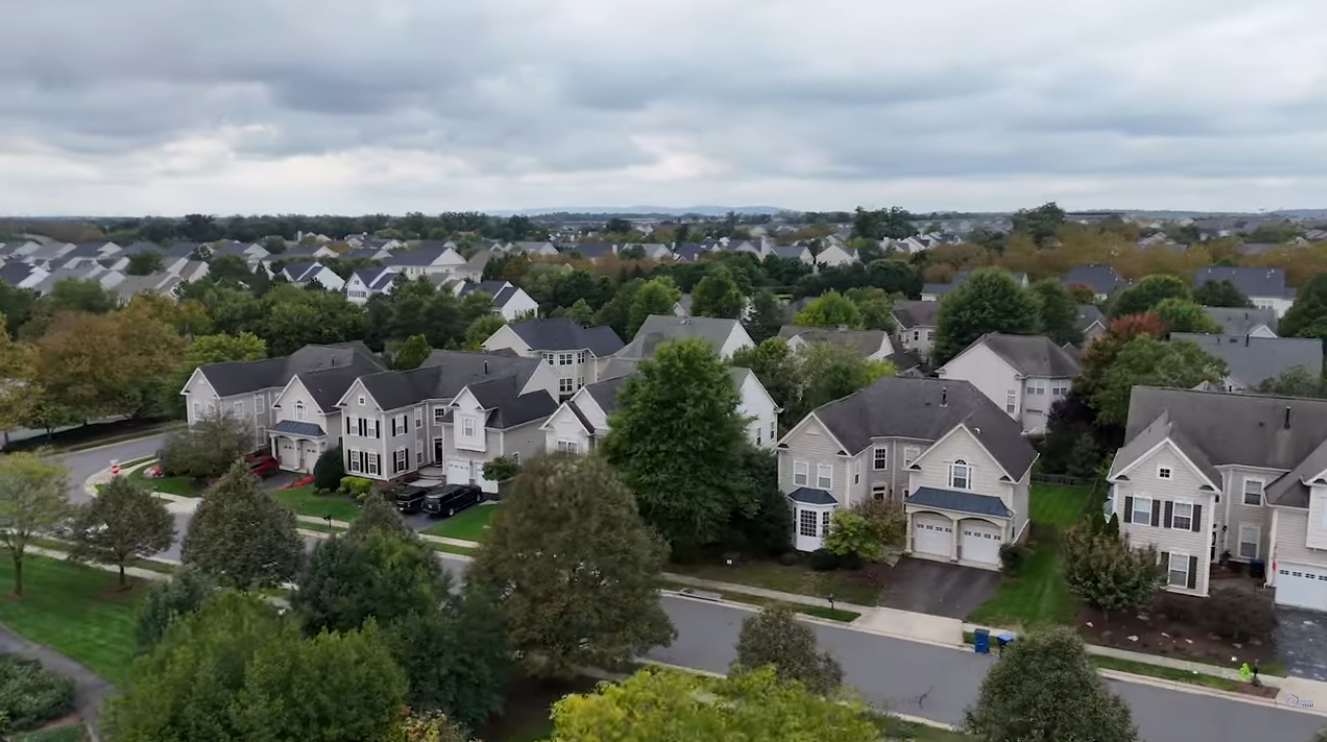
Detached Homes Are Holding Up Much Better
The detached single-family market tells a very different story.
Across the D.C. metro, active detached inventory declined 1.3% from last year. Months of supply fell slightly from 2.25 to 2.15 months.
The median detached-home price held steady at $835,000.
Closed sales declined 5%, and pending sales dropped 9.9%, so demand has slowed. But the supply of detached homes remains relatively limited.
That is why a properly priced, move-in-ready single-family home in a desirable Northern Virginia location can still sell quickly.
Homes with good lots, updated kitchens, newer roofs and HVAC systems, functional layouts and strong school or commuting locations continue to attract serious buyers.
North Central Virginia’s detached-home market is softer.
Active detached inventory increased 20.4%, while pending sales declined 10.5%. The median time required to sell increased from 17 to 21 days.
A detached home in Stafford, Culpeper, Fauquier or Frederick County is not competing under the same conditions as a renovated detached home near Metro in Arlington or Fairfax.
The farther out you move, the more sensitive many buyers become to commuting time, mortgage rates, fuel costs and the ability to work remotely.
Townhomes Remain Popular, but Buyers Have More Choices
Townhomes remain one of the most interesting parts of the market.
In North Central Virginia, the median townhome price increased 9.1% to $474,745.
Closed townhome sales rose 9.4%, and pending sales increased 4.4%.
Those are strong numbers.
Townhomes continue to attract buyers who want more space and privacy than a condo but cannot—or do not want to—pay detached-home prices.
However, active townhome inventory also increased 30.5%, and the median time required to sell rose from 12 to 18 days.
Demand remains strong, but sellers now face significantly more competition.
Across the D.C. metro, townhome conditions were softer:
- The median price declined 0.7% to $588,000.
- Closed sales fell 2.7%.
- Pending sales declined 6.2%.
- Active inventory increased 9.6%.
- Months of supply increased from 2.17 to 2.37 months.
Buyers should not assume every townhome will receive multiple offers. But they should also be prepared to move quickly on the best properties, particularly renovated homes near major commuting routes and Metro stations.
Earlier this year, I explained why different parts of the Northern Virginia housing market were moving in opposite directions. The August data confirms that property type and exact location continue to matter more than any broad national headline.
What Should Northern Virginia Buyers Do Now?
If you are financially prepared and expect to keep the home for several years, the current slowdown may create one of the better negotiating windows we have seen recently.
That does not mean you should buy any home just because a seller reduced the price.
It means you can be more selective.
Target homes that have been sitting for at least two weeks
The longer a home remains available, the more likely the seller may be to consider an improved offer.
Look for:
- Multiple price reductions
- Homes that returned to the market
- Vacant properties
- Listings with poor presentation
- Homes that need cosmetic work
- Sellers who have already purchased another property
These circumstances can create leverage beyond what you see in the list price.
Negotiate the complete deal
Do not focus only on getting the price reduced.
Depending on your financing, a seller contribution toward closing costs or a mortgage-rate buydown may save you more each month than a small price reduction.
You may also be able to negotiate:
- Home inspection repairs
- A home warranty
- Credits for an aging roof or HVAC system
- Flexible settlement timing
- Personal property
- Assistance with condo assessments
The best negotiation is the one that improves your actual financial position—not necessarily the offer with the lowest sales price.
Stay ready for the best homes
A slower market does not mean every home sits.
The best detached homes and well-positioned townhomes can still sell quickly.
Get fully preapproved, understand your maximum monthly payment and decide which compromises you are willing to make before the right home appears.
You want enough patience to avoid a bad deal and enough preparation to act on a good one.
Looking for More Negotiating Power?
We can help you identify homes with longer days on market, price reductions and sellers who may be more willing to negotiate.
Search Northern Virginia HomesBook a 30-Minute Strategy CallWhat Should Northern Virginia Sellers Do Now?
The biggest mistake a seller can make in September is pricing a home based on the spring market.
The market has changed.
Buyers are seeing more listings, taking longer to decide and becoming less willing to overlook condition problems.
Price against your current competition
Recent closed sales matter, but they are backward-looking.
You also need to examine:
- Homes currently competing with yours
- Properties that recently went under contract
- Listings receiving price reductions
- Homes that expired or were withdrawn
- The number of showings competing properties receive
- Seller concessions included in recent contracts
If your home is priced at $800,000, buyers will compare it with every reasonable alternative near that price—not just the comparable sales you prefer.
Make the first week count
The initial launch is still your best opportunity to create urgency.
Professional photography, video, strong copy, staging, accurate pricing and widespread exposure should all happen before the listing goes live.
If the home enters the market overpriced and sits, a later price reduction may not recreate the attention you lost during the first week.
Respond to the market quickly
If you are receiving showings but no offers, buyers are telling you that they do not see enough value.
If you are receiving almost no showings, the price or presentation is preventing buyers from putting the home on their list.
Waiting another three weeks usually does not fix either problem.
The market will give you feedback. The key is being willing to act on it.
Should You Wait for Northern Virginia Home Prices to Drop?
Maybe—but waiting has a cost and does not guarantee a better result.
Prices could soften further if inventory continues rising and buyer demand remains weak. Condos and overpriced properties are particularly vulnerable.
However, mortgage rates, available inventory, rent and your personal timing all affect whether waiting makes sense.
A home price could decline while your monthly payment increases because mortgage rates move higher. A rate could decline while increased buyer competition pushes desirable homes back into multiple offers.
If you expect to move again within two or three years, renting may be the safer option.
If you plan to stay longer, have stable income and find a home you can comfortably afford, the ability to negotiate today may matter more than trying to predict the market’s exact bottom.
Is Northern Virginia a Buyer’s Market Now?
Not across the board.
The D.C. metro had 2.73 months of supply in August. North Central Virginia had 2.93 months.
Those figures remain below the inventory level traditionally associated with a broad buyer’s market.
But market-wide averages hide the real opportunities.
The D.C. metro condo market had 4.30 months of supply, falling prices and nearly 20% fewer pending sales. Buyers have substantially more leverage there.
Detached homes had only 2.15 months of supply, with slightly less inventory than last year. That segment remains more competitive.
Outer Virginia markets generally have more available inventory, but the balance varies by county, community and price range.
The answer is not simply that Northern Virginia has become a buyer’s market.
The answer is that buyers have regained negotiating power without gaining control of every part of the market.
Frequently Asked Questions
My Bottom Line
August 2026 was not a housing crash.
It was a buyer pullback.
Fewer people scheduled showings. Fewer homes went under contract. Inventory accumulated because listings were taking longer to sell.
Prices have remained surprisingly resilient, but sellers now face more competition and less room for error.
For buyers, the opportunity is in stale listings, condos, properties that need work and sellers who value certainty.
For sellers, success depends on pricing correctly, preparing the home properly and reacting quickly to market feedback.
Do not base a six- or seven-figure decision on a national headline or even a Northern Virginia average.
The numbers that matter are the ones for your property type, neighborhood and price range.
Want to Know What the Market Means for Your Move?
If you are considering buying or selling anywhere in Northern Virginia, my team can show you the current competition, recent sales, price reductions, seller concessions and negotiating opportunities in the exact area you care about.
Book a free 30-minute strategy call with me, and we will look at the real numbers behind your move.
You can also watch my latest Northern Virginia real estate updates on YouTube.
About Chris Colgan

Chris Colgan is a Northern Virginia real estate professional with more than 20 years of experience helping buyers and sellers throughout Loudoun County, Fairfax County, Prince William County and the greater Washington, D.C. region.
The Chris Colgan Team helps clients relocate to Northern Virginia, compare communities, purchase luxury homes and sell properties throughout the DMV.
Enjoy this blog post? Click here to subscribe for updates
Leave A Comment