
By Chris Colgan
Real Nova Network
For more than a decade, one of the most valuable pieces of waterfront land in Northern Virginia has been sitting behind fences.
Not abandoned in the middle of nowhere.
Not tucked away where nobody sees it.
Right there in Alexandria.
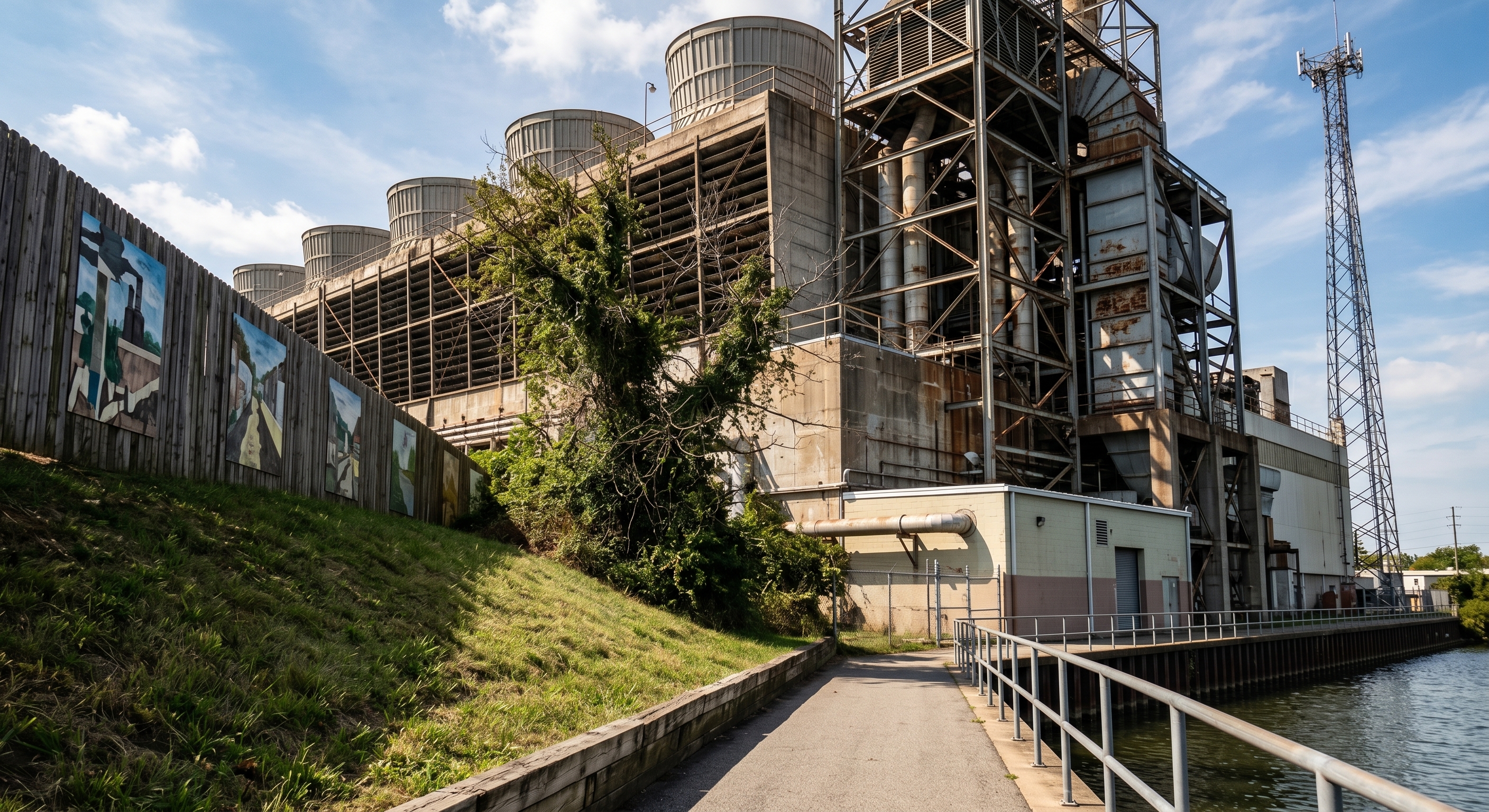
The old Potomac River Generating Station in Old Town North has been one of those sites almost everyone around Alexandria knows, even if they do not know the official name. A massive former coal-fired power plant. Industrial. Closed off. Sitting on the Potomac River, just north of Old Town, in a city where waterfront land is some of the most important land there is.
And now, after years of planning, debate, city review, and public meetings, Alexandria has finally taken one of the biggest steps yet toward turning that old power plant into a new mixed-use waterfront neighborhood.
Alexandria City Council has approved the first phase of HRP Group’s redevelopment plan, along with a $135 million tax increment financing package to help pay for the public infrastructure needed to unlock the site.
That is the official version.
The human version is simpler.
Alexandria is finally trying to take a fenced-off industrial site and give it back to the city.
This Is Not Just Another Apartment Project
It would be easy to look at this and say, “Here comes more development.”
And yes, there will be development.
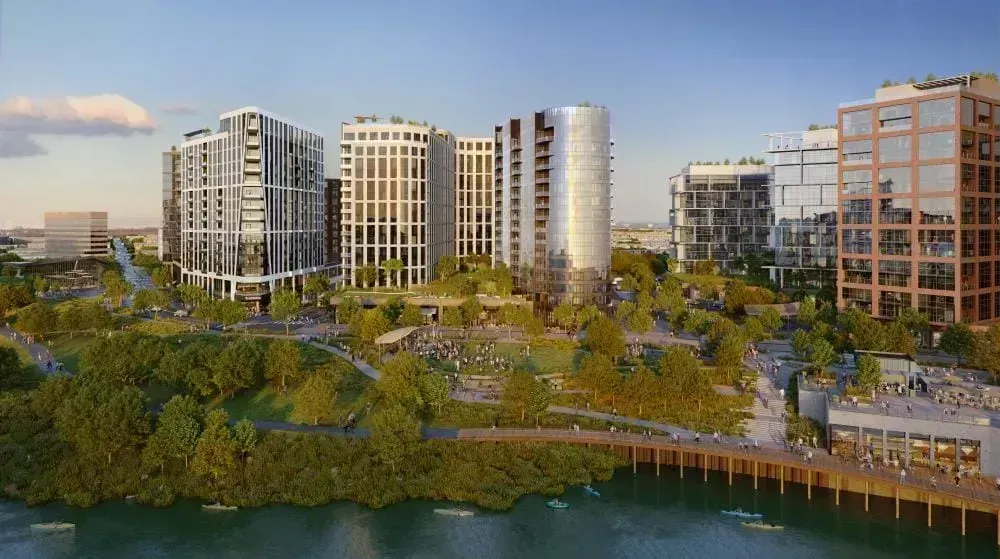
The former power plant site is planned as a large mixed-use project with residential buildings, retail, public open space, new streets, utilities, pedestrian and bicycle improvements, and major environmental cleanup.
But this project is bigger than new buildings.
This is about what Alexandria wants the northern end of its waterfront to become.
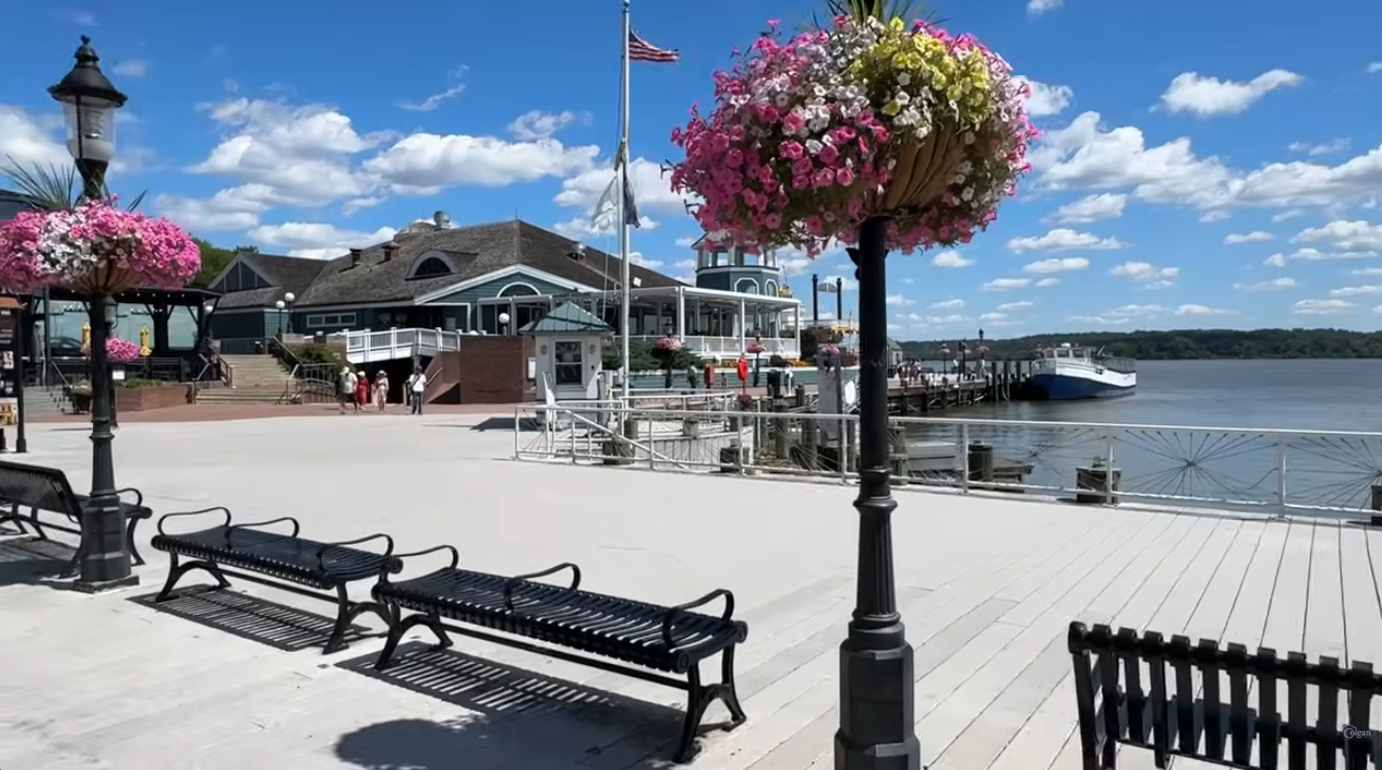
For years, Old Town Alexandria has had one of the most recognizable waterfronts in the entire D.C. region. People go there for the restaurants, the history, the brick sidewalks, the views, the boats, the trails, and the feeling that you are in one of the few places in Northern Virginia that actually has a strong sense of place.
But then you get to this site.
And the waterfront experience changes.
Instead of feeling open and connected, it has felt blocked off. Industrial. Forgotten. Like a piece of the city that never quite made the jump into the next version of Alexandria.
That is why this approval matters.
Because if HRP and the city get this right, this could become one of the most important redevelopment stories in Northern Virginia over the next decade.
Not because it adds density.
Because it could reconnect Alexandria to a part of its own waterfront.
What City Council Approved
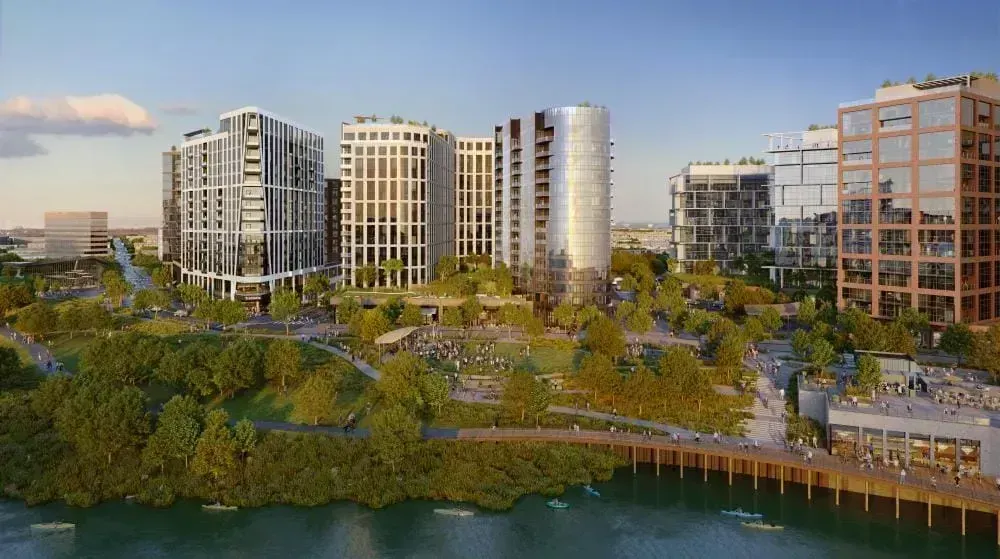
The first phase approval covers the early pieces of the redevelopment, including development plans for Blocks B and C, the Waterfront Park, the Rail Corridor Park, and the public infrastructure financing package tied to the project.
The broader plan calls for transforming the former power plant site into a mixed-use waterfront neighborhood with housing, retail, public parks, open space, trail connections, and public access to the Potomac River.
The site has been described as a roughly 19-acre, six-block redevelopment. At full buildout, the vision is to replace the old industrial plant with a walkable neighborhood that includes residential buildings, ground-floor retail, public gathering spaces, pedestrian-friendly streets, underground parking, and more than 10 acres of publicly accessible open space.
That public space number is huge.
Northern Virginia has plenty of new buildings. What it does not always have is great public space.
And that is the piece I think people should really focus on here.
If this project only becomes expensive housing with some token landscaping around it, people are going to be disappointed.
But if it actually delivers waterfront parks, trail improvements, public gathering areas, and real access to a part of the river that has been closed off for years, then this becomes something different.
Then it becomes a civic project, not just a development project.
The Mount Vernon Trail Piece Might Be the Biggest Everyday Win
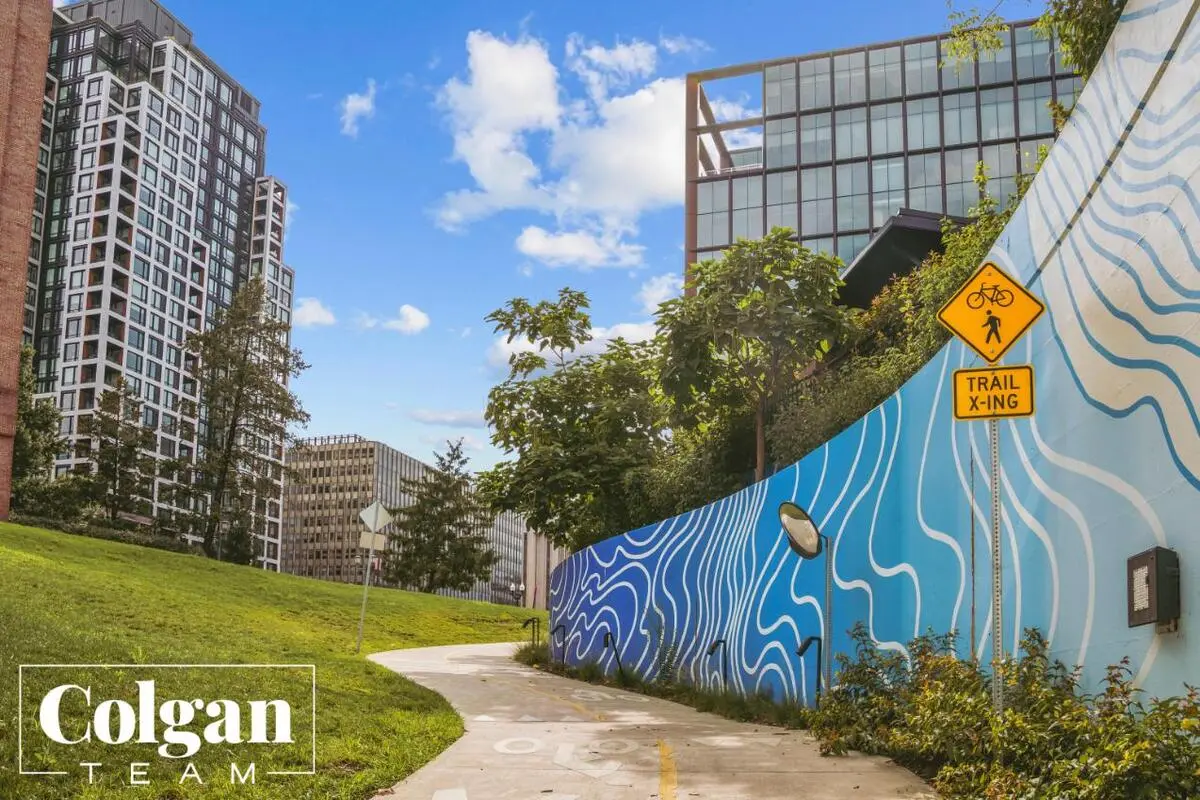
One of the parts of this project that regular people will feel the most is the Mount Vernon Trail.
If you have ever walked, run, or biked through that narrow chain-link section by the old power plant, you know exactly what I am talking about.
It feels like a cage.
You are on one of the most important trails in Northern Virginia, next to one of the most important rivers in the country, and yet that section has always felt tight, awkward, and completely underwhelming.
The redevelopment includes improvements to the Mount Vernon Trail and expanded pedestrian and bicycle connectivity around the site.
That might not sound as flashy as new restaurants or waterfront condos, but I think it could be one of the biggest quality-of-life wins in the whole project.
Because this trail is not just a neighborhood amenity.
The Mount Vernon Trail is one of the major recreational and commuter routes in the region. People use it to bike, run, walk, commute, train, and connect between Alexandria, Arlington, D.C., and Mount Vernon.
So if this project fixes one of the most awkward sections of that trail, that benefits way more people than just the future residents of the development.
It benefits anyone who uses Alexandria’s waterfront.
The Public Money Question
Now let’s talk about the part that is going to get people fired up.
The city approved a $135 million tax increment financing package.
TIF stands for tax increment financing. In plain English, it means future tax revenue generated by the project is used to help pay for infrastructure needed to make the project happen.
The city says the money is meant to support public improvements tied to the redevelopment, including environmental remediation, open space, new streets, pedestrian and bicycle improvements, and other infrastructure needed to prepare the site.
That distinction matters.
This is not supposed to be the city handing money to a developer to build private apartments.
It is supposed to be a financing structure to help pay for the public pieces needed to clean up and open up a very complicated site.
Still, people are right to ask questions.
Is $135 million the right number?
Will the public benefits actually get delivered?
Will the city protect taxpayers?
Will the infrastructure be built to the level people expect?
Will the parks feel truly public?
Those are fair questions.
And this is the part of the project that needs real public scrutiny. Not because the project is bad, but because the bigger and more complicated a redevelopment is, the more important the details become.
Affordable Housing Is Part of the Story Too
Another important part of the redevelopment is affordable housing.
The broader project is expected to include an affordable housing component, with local reporting pointing to roughly 160 affordable housing units as part of the overall plan.
That matters because waterfront redevelopment in Northern Virginia almost always creates one major concern: who actually gets to live there?
Alexandria is already expensive. Old Town is already expensive. Waterfront property is especially expensive.
So when a project like this moves forward, the affordable housing piece cannot just be a footnote.
It is one of the biggest tests of whether this becomes a true mixed-use neighborhood or just another high-end waterfront district.
The reality is that this land is valuable, and the homes here are not going to be cheap. But if Alexandria is going to add this much new housing on one of the best sites in the city, it makes sense that affordability has to be part of the conversation.
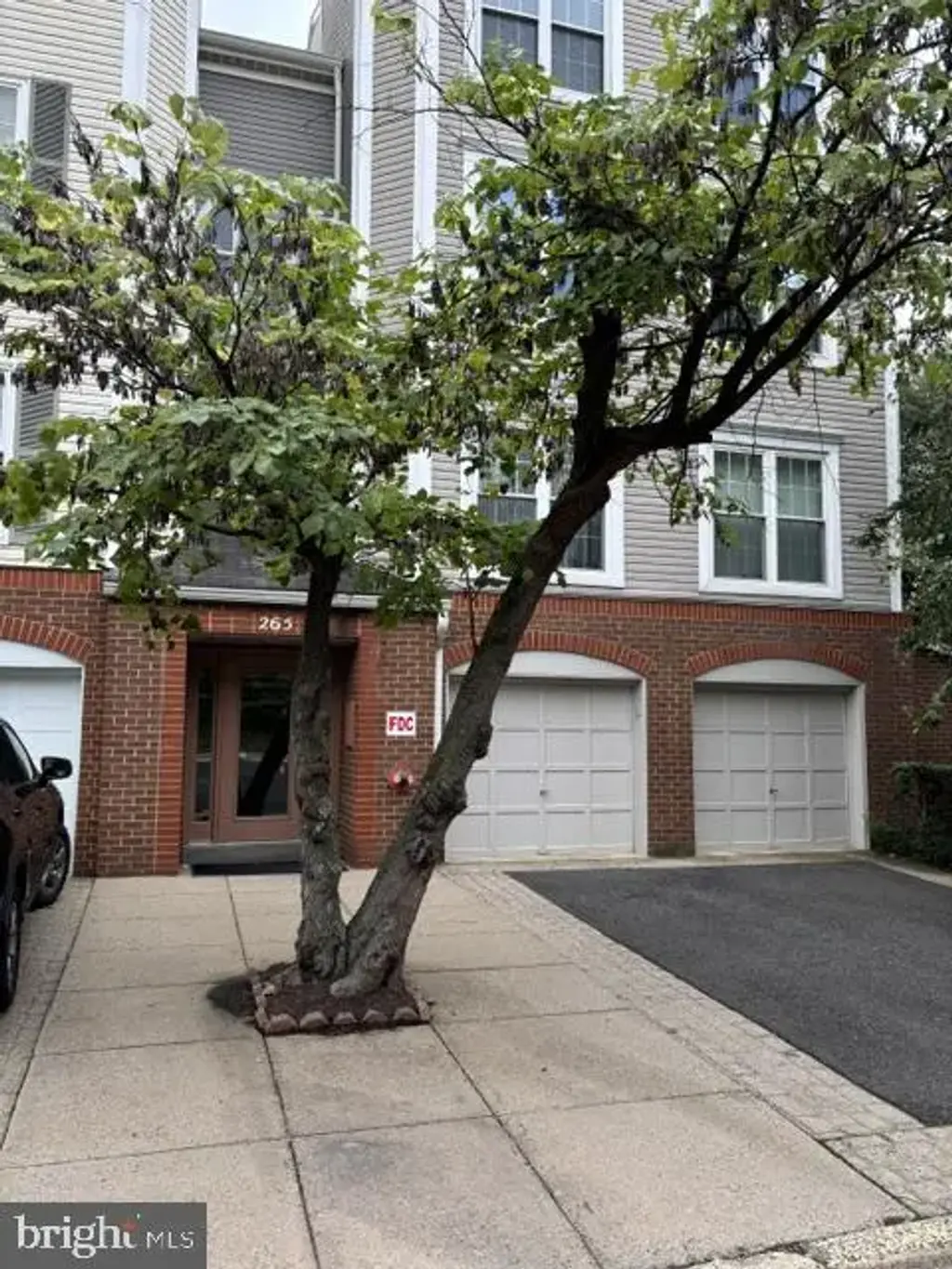
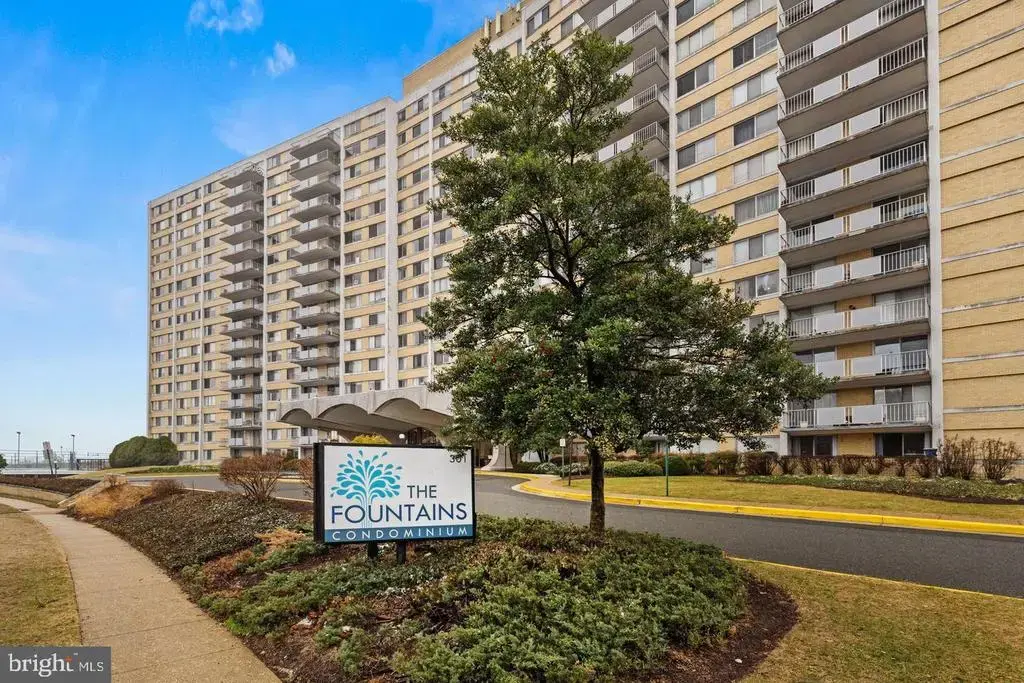
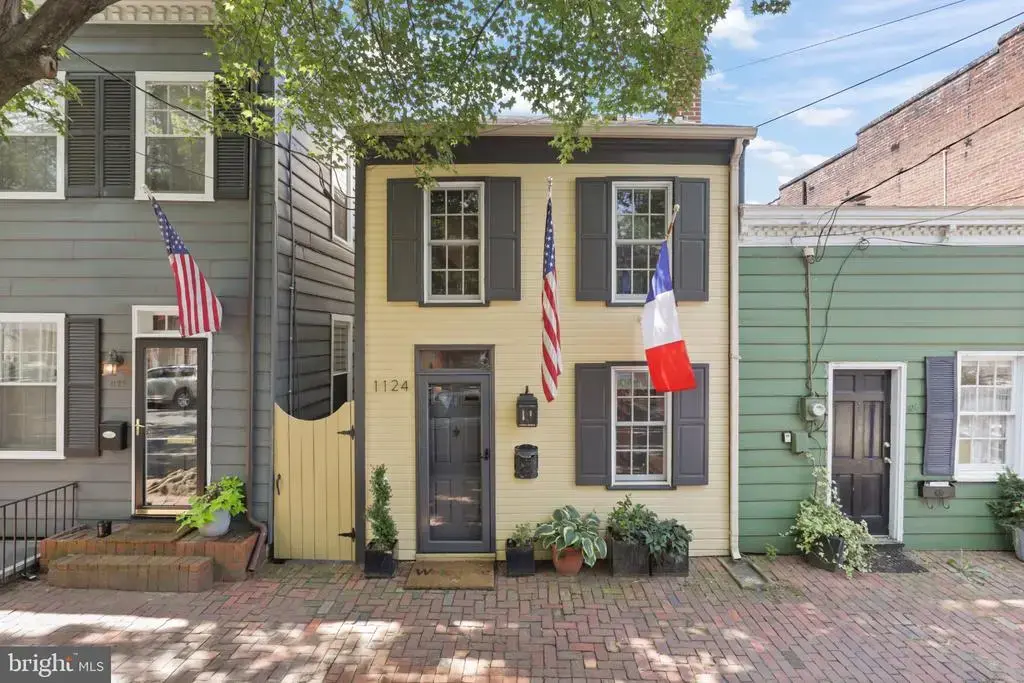
See the Newest Alexandria, VA Real Estate
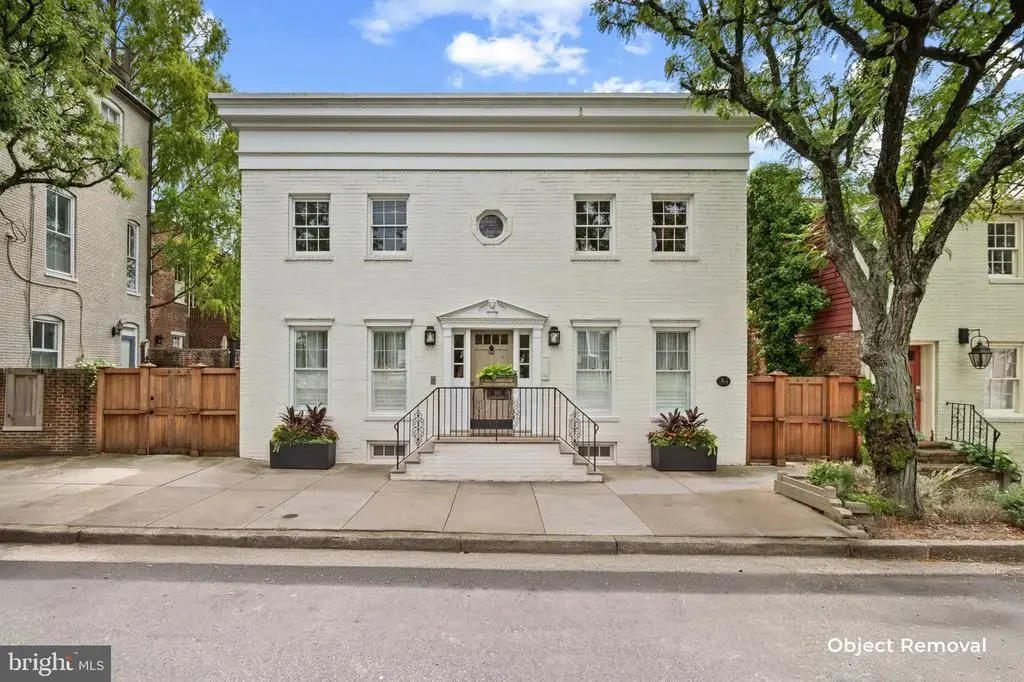

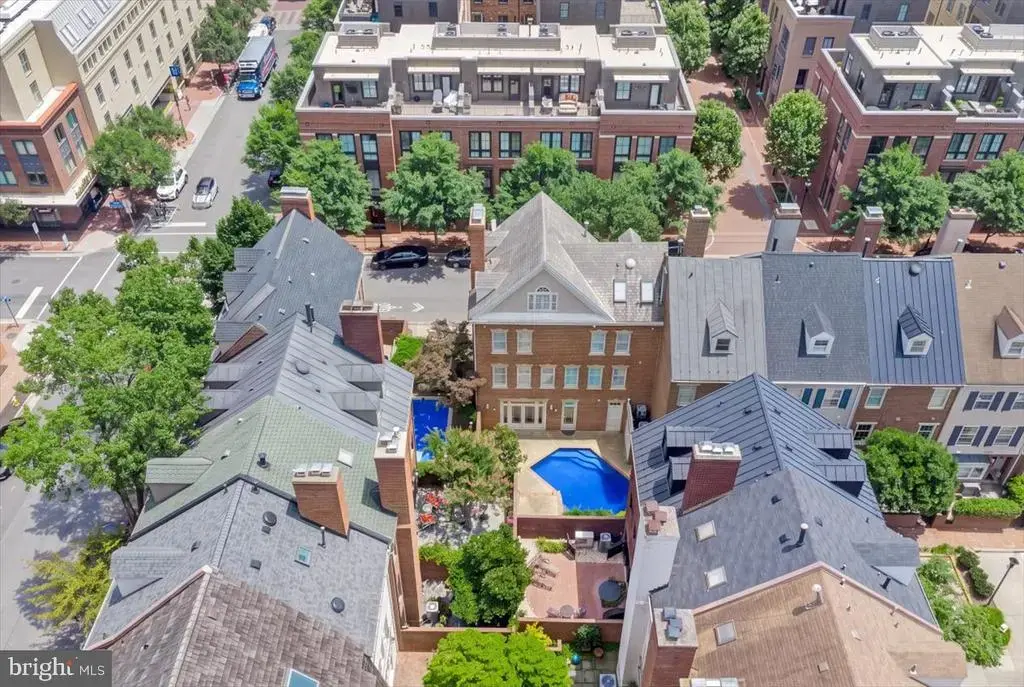
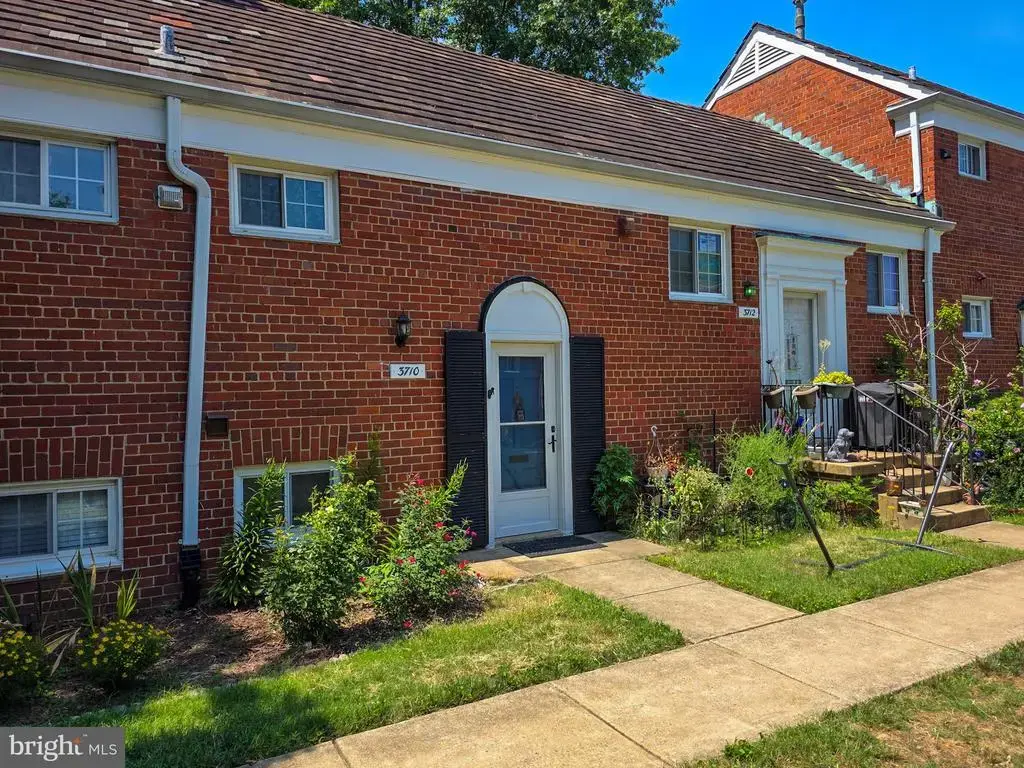
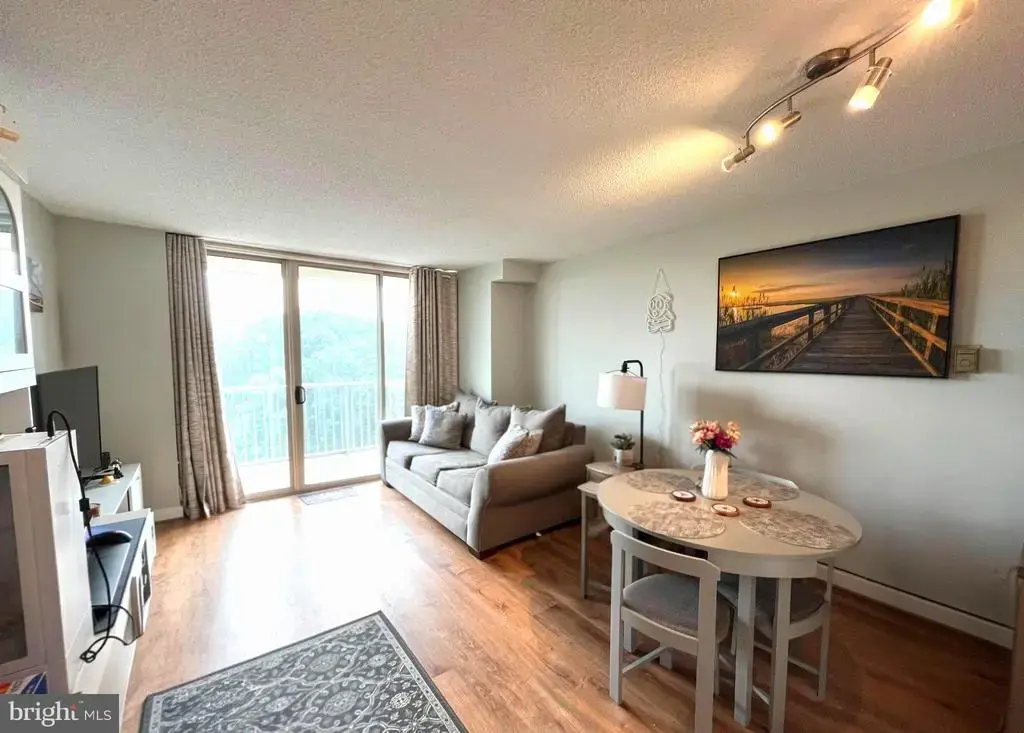

Before the Pretty Renderings, There Is the Dirty Work
The renderings are the easy part.
The hard part is what has to happen first.
This is an old coal-fired power plant site. Before anyone is sitting outside with coffee, walking to a waterfront restaurant, launching a kayak, or riding through a better trail connection, the site has to be cleaned up and deconstructed.
That means environmental remediation. Abatement. Demolition. Dust control. Traffic planning. Safety monitoring. And years of construction logistics.
That is the part people should not gloss over.
An old industrial site does not become a neighborhood overnight.
There will be demolition. There will be disruption. There will be trucks. There will be noise. There will be questions from nearby residents. And there will need to be serious oversight to make sure the cleanup is done the right way.
That does not mean the project should not happen.
It means the process matters.
The cleanup has to be done safely. The city has to stay on top of it. HRP has to communicate clearly. And residents need to have confidence that this is not just being rushed because everyone wants to get to the shiny final product.
The final product might be beautiful.
But the cleanup is where trust gets built or lost.
The Timeline
This is also not happening tomorrow.
The approvals move the project forward, but the first phase is still years away from completion.
Current reporting says deconstruction of the former power plant could begin as early as next year and may take up to 20 months. Phase 1 is expected to be a multi-year effort, with the first phase targeted for completion around the end of 2030.
So the way I would describe it is this:
The project just crossed a major political and planning threshold, but Alexandria is still at the beginning of a long redevelopment process.
This is not a “come see it next summer” project.
This is a “watch this reshape Old Town North over the next several years” project.
Why This Matters for Alexandria Real Estate
From a real estate perspective, this is the kind of project that can change how people talk about an entire area.
Old Town Alexandria is already one of the strongest and most desirable markets in Northern Virginia. But Old Town North has always had a slightly different feel from the postcard version of King Street and the historic waterfront.
This redevelopment could pull more attention north.
It could create a stronger connection between Old Town, Old Town North, Potomac Yard, and the broader National Landing corridor.
It could make nearby condos, townhomes, apartments, and commercial spaces feel more connected to a major public amenity.
It could bring more foot traffic, more restaurant activity, better trail access, and a completely different sense of arrival to this part of Alexandria.
Now, does that mean every property nearby instantly becomes more valuable?
No.
Real estate does not work that cleanly.
But big projects change perception. They change what buyers talk about. They change what renters compare. They change what businesses consider. They change the mental map people have of a neighborhood.
And in Northern Virginia, perception matters.
People do not just buy a home.
They buy what they think a neighborhood is becoming.
This project gives Old Town North a very different story to tell.
The Bigger Story
To me, the biggest story here is not the buildings.
It is the idea of taking land that has been closed off and making it part of the city again.
Northern Virginia has grown fast. Sometimes beautifully. Sometimes not.
We have seen plenty of development that added density without adding much soul. Plenty of places where the buildings went up, but the public realm felt like an afterthought.
This project has a chance to be better than that.
It has a chance to take an obsolete industrial site and turn it into something that gives people access to the river, improves a major trail, adds housing, creates public parks, brings new businesses to Old Town North, and reconnects a piece of Alexandria that has been fenced off for far too long.
That is the optimistic version.
The realistic version is that the next few years will determine whether the project lives up to the promise.
The city and HRP have to deliver on the parks. They have to deliver on the trail improvements. They have to deliver on the public access. They have to deliver on the environmental cleanup. They have to deliver on the infrastructure. They have to make sure this does not become a private waterfront district that only technically feels public.
Because if they get it right, this could be one of the best redevelopment stories in the D.C. region.
And if they get it wrong, people will remember that too.
My Take
I think this is one of the most important projects to watch in Alexandria.
Not because everyone needs more construction in their life.
Not because every redevelopment is automatically good.
But because the alternative is a fenced-off former power plant sitting on the Potomac River in one of the most historic cities in America.
That does not make sense long term.
Alexandria has a real opportunity here.
The old power plant helped power the region for decades.
Now the question is whether its next chapter can help power a better version of the waterfront — one with parks, trails, housing, restaurants, public access, and a stronger connection between the city and the river.
If they pull it off, this will not just be a new development.
It will be one of the biggest transformations Alexandria has seen in years.
And it is exactly the kind of project that shows how Northern Virginia is changing right in front of us.
What Do You Think?
Is this a huge win for Alexandria’s waterfront, or are you worried about the traffic, density, public financing, and years of construction ahead?
I’ll be following this one closely, because projects like this do not just change skylines.
They change neighborhoods.
They change how people use a city.
And over time, they can change real estate values, buyer demand, and the way people think about an entire area.
For more Northern Virginia development stories, neighborhood updates, and real estate breakdowns, follow Chris Colgan and Real Nova Network.
And if you are thinking about buying or selling in Alexandria, Old Town, Old Town North, Potomac Yard, or anywhere in Northern Virginia, you can search homes and connect with my team at ColganTeam.com.
Sources
This article is based on public project information and local reporting from:
- City of Alexandria — Potomac River Generating Station Redevelopment
- Alexandria Living Magazine — Alexandria City Council Unanimously Approves First Phase of Power Plant Redevelopment
- Alexandria Brief — City Council Approves First Phase and $135 Million Financing Package
- ALXnow — City Council Greenlights Financing and First Phase of Old Town North Power Plant Redevelopment
- HRP Group — Potomac River Generating Station Project Site
Frequently Asked Questions
What is happening to the old Potomac River Generating Station in Alexandria?
"The former power plant site in Old Town North is being redeveloped into a mixed-use waterfront neighborhood with housing, retail, public parks, trail improvements, open space, and new infrastructure."
When will the Alexandria power plant redevelopment be finished?
"Phase 1 is expected to take several years, with completion targeted around the end of 2030. The full redevelopment will likely continue beyond that in later phases."
Will the Mount Vernon Trail be improved?
"Yes. One of the biggest public benefits of the project is the planned improvement to the Mount Vernon Trail connection near the old power plant, including a better and more open pedestrian and bike experience."
How much public open space is planned?
"The broader redevelopment is expected to include more than 10 acres of publicly accessible open space, including waterfront park areas and a rail corridor park."
Will there be affordable housing?
"Yes. Affordable housing is part of the overall plan, with local reporting pointing to roughly 160 affordable housing units tied to the broader redevelopment."
Enjoy this blog post? Click here to subscribe for updates
Subscribe for Blog Updates
Tags
- real nova network (59)
- Old Town Alexandria (12)
- Alexandria VA (9)
- Alexandria real estate (8)
- Northern Virginia Development (7)
- mixed-use development (2)
- Alexandria waterfront (2)
- HRP Group (1)
- Potomac River Generating Station (1)
- waterfront redevelopment (1)
- Mount Vernon Trail (1)
- Alexandria power plant redevelopment (1)
- affordable housing Alexandria (1)
- Old Town North (1)
- Alexandria City Council (1)
Leave A Comment