
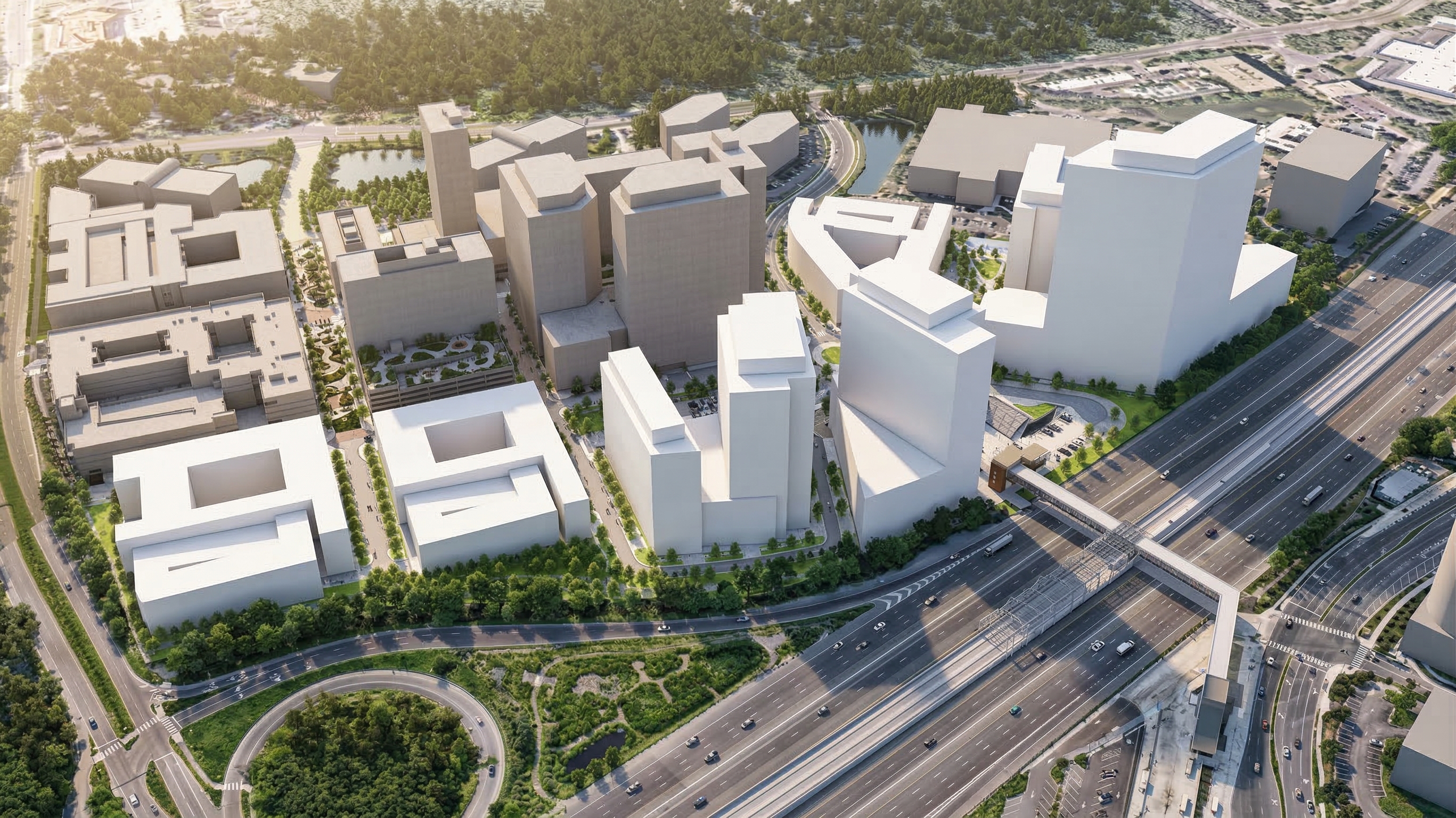
The parcel of land flanking the Reston Town Center Metro station's kiss-and-ride lot has been stuck in a bureaucratic holding pattern since 2019. Fairfax County approved a redevelopment plan. The developer changed. The market shifted. Nothing ever got built. That changes now — at least on paper, and with considerably more ambition than before.
Bethesda-based Bernstein Management Corporation has submitted a rezoning application proposing to transform the Reston Crossing office campus into a mixed-use neighborhood totaling more than 3.1 million square feet of development. The filing, submitted March 5, 2025, covers approximately 23.8 acres along Edmund Halley Drive and envisions seven development blocks combining Class A office space, nearly 1,500 multifamily units, ground-floor retail, and more than four acres of publicly accessible open space.
According to Reston Now, the project would serve as the eastern anchor of a larger transit-oriented district centered on the Reston Town Center Metro station — connecting to the already-advancing Halley Rise development to the south and fulfilling Fairfax County's long-range planning goals for the subdistrict. When you stack this proposal on top of what is already moving forward at Halley Rise, you are looking at a fundamental reshaping of the south side of that station.
How We Got Here: Seven Years of Stalled Plans and a Property Transfer
The original Reston Crossing redevelopment was approved by the Fairfax County Board of Supervisors in June 2019 under Tishman Speyer, which had envisioned a roughly two-million-square-foot mixed-use campus with a direct pedestrian bridge to the Metro station. But the project never broke ground. Bernstein's rezoning application cites "evolving market conditions, significant infrastructure requirements, and phasing complexities" as the reasons Tishman Speyer's approved plan was never executed.
Bernstein acquired the two Reston Crossing office buildings at 2001 and 2003 Edmund Halley Drive from Tishman Speyer for $37.25 million in December 2024. Four months later, the firm purchased the adjacent Summit office buildings at 2000 and 2002 Edmund Halley Drive from Brookfield Property Partners for $53 million — a transaction the rezoning application itself characterizes as an apparent distress sale.
Those four buildings — constructed in 1986 and 1998 — currently house Ellucian, Noblis, and a Blue Origin office, among others. Under Bernstein's proposal, they would be demolished and replaced entirely. What Bernstein has done that Tishman Speyer never accomplished is consolidate all four buildings under single ownership. That consolidation is the prerequisite for the scale of urban design that can actually transform a suburban office park into something worth living in.
What Bernstein Is Proposing: Seven Blocks, Two Towers, 1,480 Units
The proposal organizes the combined Reston Crossing East and West properties into seven blocks. The most prominent structures would be two office towers at up to 425 feet, positioned to anchor the site's direct connection to the Metro station.
Block A: 380-unit residential building, maximum height 110 feet Block B: 320-unit residential building, maximum height 110 feet Block C: Mixed-use tower — 235 residential units, up to 406,000 square feet of office, 16,000 square feet of retail, maximum height 425 feet Block D: 460,000-square-foot office building with 10,000 square feet of retail and a direct pedestrian connection to the Metro station, up to 425 feet Block E: 355-unit residential building, maximum height 110 feet Block F: 625,000-square-foot office building with 5,000 square feet of retail, up to 425 feet Block G: 330-unit residential building, maximum height 340 feet
Sixteen percent of the residential units would be set aside as workforce or affordable dwelling units. Parking would accommodate up to 7,892 vehicles and 630 bicycles.
Parks and Public Space
The project includes four named public parks totaling approximately 4.75 acres. The Canopy Trail, a 64,300-square-foot linear path, would run along the site's northern and southern edges connecting Reston Parkway to the Metro station. Central Commons, at 64,400 square feet, would serve as the neighborhood's primary urban gathering space. Boardwalk Green, a 27,400-square-foot park, would create a transition between the east and west halves of the development. Crossfields Park, the largest at roughly 51,000 square feet, would offer a dog park, sports court, and multi-generational play areas while buffering the site from an adjacent CoreSite data center.
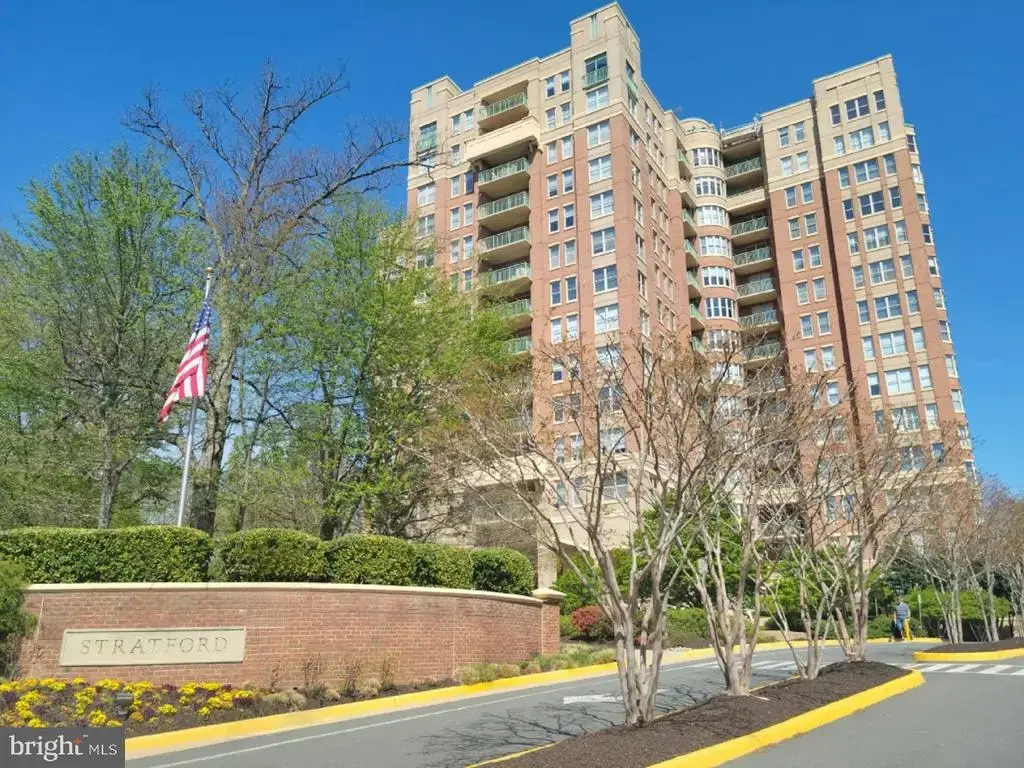
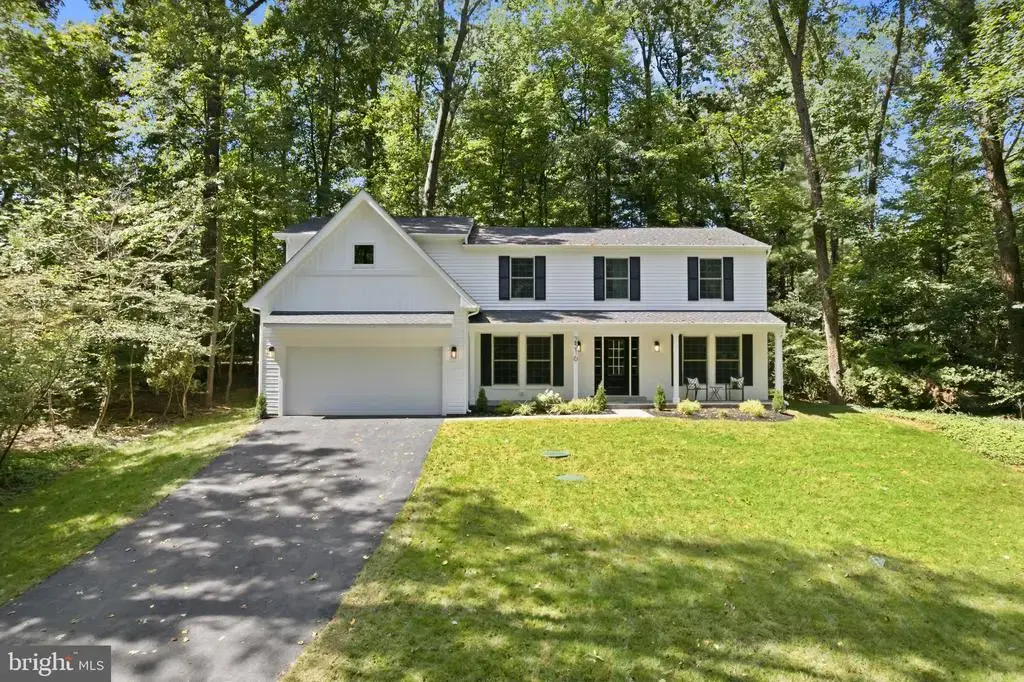
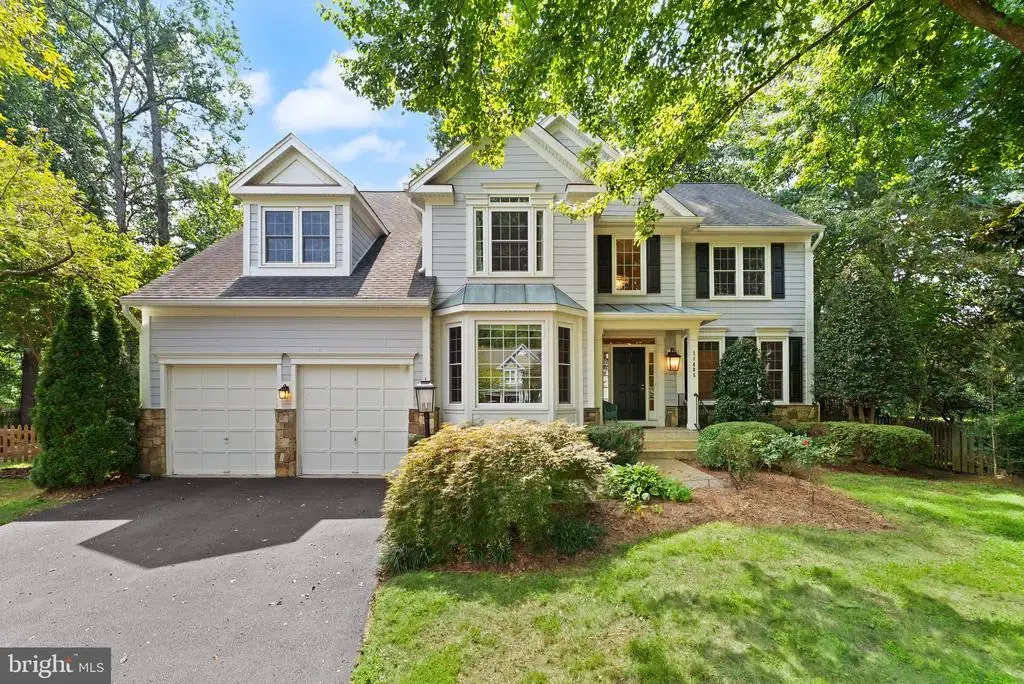
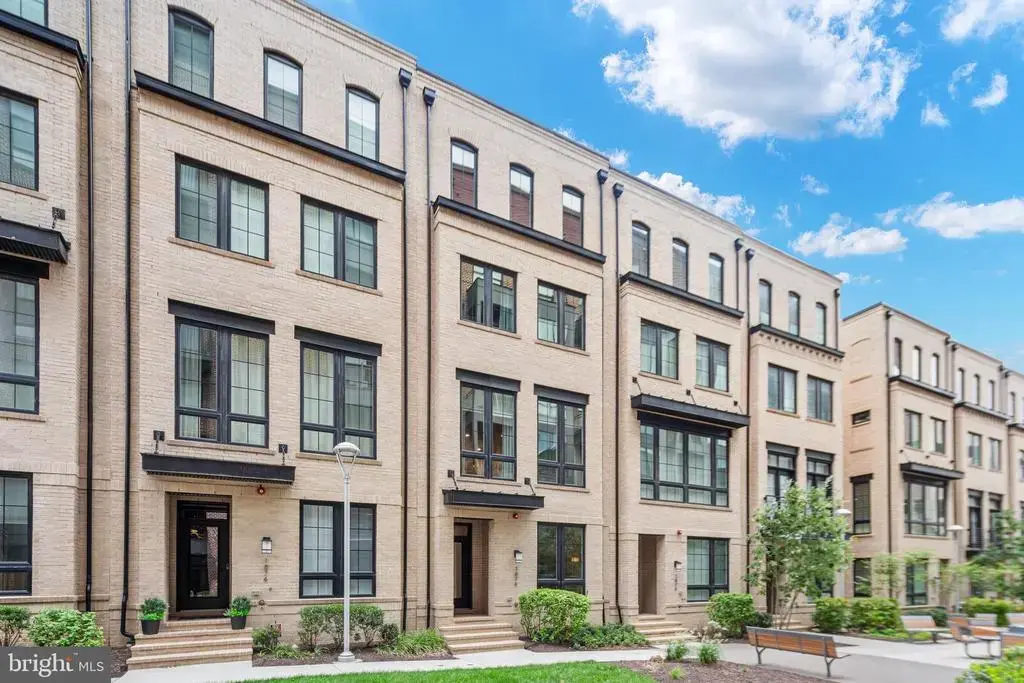
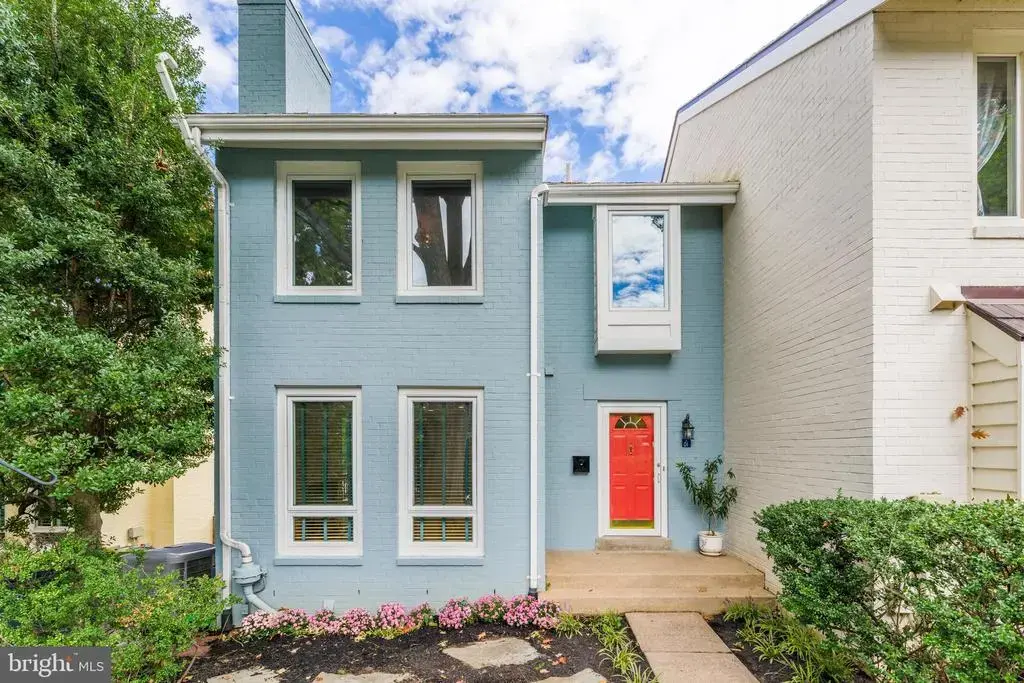
Homes Near Reston Town Center




What This Means for Reston Buyers
If you are in the market for a home near the Silver Line corridor, Reston is entering a distinct new chapter. The combination of Halley Rise and Reston Crossing — when both are built out — would create a walkable, Metro-adjacent neighborhood of genuine urban density along Edmund Halley Drive. That is precisely the type of environment that attracts buyers who want transit proximity, walkability, and amenity density without moving into the District.
The 16% affordable and workforce housing set-aside is worth noting. In a market where entry-level and mid-tier supply near Metro stations is severely constrained, projects with mandated affordable components can represent a rare opening for buyers who have been priced out of Reston's existing condominium and townhome inventory.
Buyers looking at Reston today should understand this is a long-range project. No final development plans have been filed. The application has not yet been formally accepted for county review. Ground may not break for several years. But what is being established now — through zoning and entitlements — is the ceiling for what this neighborhood can become. Smart buyers are watching that process closely. Our team at colganteam.com tracks the full Fairfax County development pipeline and can help you evaluate what is available near Reston Town Center right now.
What This Means for Reston Sellers
If you own a condo, townhome, or single-family home within a reasonable distance of the Reston Town Center Metro station, the Bernstein proposal is net-positive news for your long-term property values. Large-scale, transit-oriented development signals sustained employer and institutional interest in the submarket — and that sustained interest typically translates into price support over time.
In the near term, sellers in Reston's existing residential stock benefit from a tight supply picture that has not meaningfully loosened. The Reston Crossing project, even if approved on an accelerated timeline, is years away from delivering new inventory. Sellers considering a move in the next one to three years are working in a window where the demand narrative is solidifying but the competing supply has not yet arrived.
For sellers of commercial or mixed-use properties in the broader Fairfax County market, Bernstein's willingness to acquire distressed office product — paying $53 million for the Summit buildings in what the application itself describes as a distress sale — is a useful data point. Institutional capital is still moving into Northern Virginia's transit-adjacent office corridors at the right price.
The Long-Term Appreciation and Investment Case
Northern Virginia's Silver Line corridor has been on a long, uneven development arc since the line opened. Some stations — Tysons, Wiehle-Reston East — have delivered dense mixed-use development at scale. Others have been slower. The Reston Town Center station sits at the center of one of the corridor's most active development clusters, and the addition of Bernstein's Reston Crossing proposal alongside Halley Rise, if both projects execute, would represent a meaningful density inflection point for the subdistrict.
The investment logic is straightforward: a large, educated, high-income workforce concentrated around a major employment cluster, with Metro access, amenity density, and long-term infrastructure investment from both public and private actors. The question has never been whether the Reston Town Center station area would develop — it was always when, and who would be the developer to actually execute.
At 3.1 million square feet across 23.8 acres, Reston Crossing would rank among the larger mixed-use infill projects in Fairfax County's active pipeline. The 50/50 residential-to-nonresidential split, which fulfills Reston's Comprehensive Plan goals for the subdistrict, also signals a more balanced long-term community than the office-dominant predecessors that preceded it. For residential investors watching the multifamily pipeline across Northern Virginia's growth corridors, this is a project worth tracking from the earliest stages of entitlement.
Read the Full Article
Read the original reporting here
"Large-scale, transit-oriented development projects of this magnitude tend to exert upward pressure on surrounding residential values over time, particularly as the planning and entitlement process advances and institutional confidence in the submarket becomes publicly visible. In Reston specifically, the combination of Bernstein's proposal and the advancing Halley Rise development signals a multi-year investment cycle around the Town Center station — a signal that typically produces price appreciation in nearby existing inventory well ahead of any new construction delivering." "The rezoning application was filed March 5, 2025, and had not yet been formally accepted for county review as of the filing date. Fairfax County's rezoning review process typically takes 12 to 24 months from acceptance to Board of Supervisors action, and no final development plans have been submitted for any of the seven proposed blocks. Realistically, the earliest any portion of Reston Crossing could deliver residential or office inventory is the late 2020s, with full buildout likely extending well into the 2030s." "Yes. Bernstein's application states that 16% of the residential units will be designated as workforce or affordable dwelling units. At a total of approximately 1,480 units, that translates to roughly 235 income-restricted apartments. Fairfax County has consistently required affordable housing commitments as a condition of large-scale mixed-use rezonings, and this set-aside appears to be built into the project's initial framework." "The Reston Town Center Metro submarket has one of the stronger long-term demand profiles on the Silver Line, supported by major employers, a dense amenity base, and continued institutional investment in the surrounding built environment. For buyers with a five-to-ten year horizon, purchasing near an area with active entitlement activity and large-scale development interest has historically been a sound strategy in Northern Virginia. Current inventory near the station is limited, which means buyers are already competing in a market where supply constraints are doing pricing work before any new development arrives." "At 3.1 million square feet across 23.8 acres, Reston Crossing would rank among the larger mixed-use infill projects in Fairfax County's pipeline, comparable in ambition to Halley Rise and consistent in scale with major transit-oriented projects at Tysons and Wiehle-Reston East. What distinguishes it is the consolidation of two previously separate office campuses under a single developer, enabling the kind of cohesive urban design and internal street network that piecemeal development cannot achieve."Frequently Asked Questions: Reston Crossing Redevelopment
How will the Reston Crossing redevelopment affect home values near the Reston Town Center Metro?
When will Reston Crossing actually be built?
Will the new Reston Crossing include affordable housing?
Is this a good time to buy near Reston Town Center?
How does this project compare to other major Northern Virginia developments?
About Chris Colgan

Chris Colgan is the founder of Real Nova Network and team leader of Chris Colgan – Real Broker – Powered by PLACE.
Through colganteam.com and realnovanetwork.com, Chris covers Northern Virginia real estate trends, major developments, and hyper-local market updates to help buyers and sellers make confident decisions.
Thinking about moving to Northern Virginia? Get my free Northern Virginia Relocation Guide — packed with neighborhood breakdowns, schools, commute tips, and real insider insight.
Subscribe to my YouTube channel, Northern Virginia Living with Chris Colgan, for neighborhood tours, real estate insights, and updates on major developments across the region.
Join the newsletter to get breaking Northern Virginia news and real estate insights?
Posted by Chris Colgan on
Enjoy this blog post? Click here to subscribe for updates
Leave A Comment